Bed Bugs in a Laundry Basket: Safe Handling (2026)
Bed bugs in a laundry basket hide in the clothes and the basket’s crevices, and can spread to the laundry room. Learn how to handle laundry safely, treat the basket, and avoid recontaminating clean clothes.
Disclosure: As an Amazon Associate we earn from qualifying purchases. Some links on this page are affiliate links: they cost you nothing extra and do not change what we write. Read our affiliate disclosure.
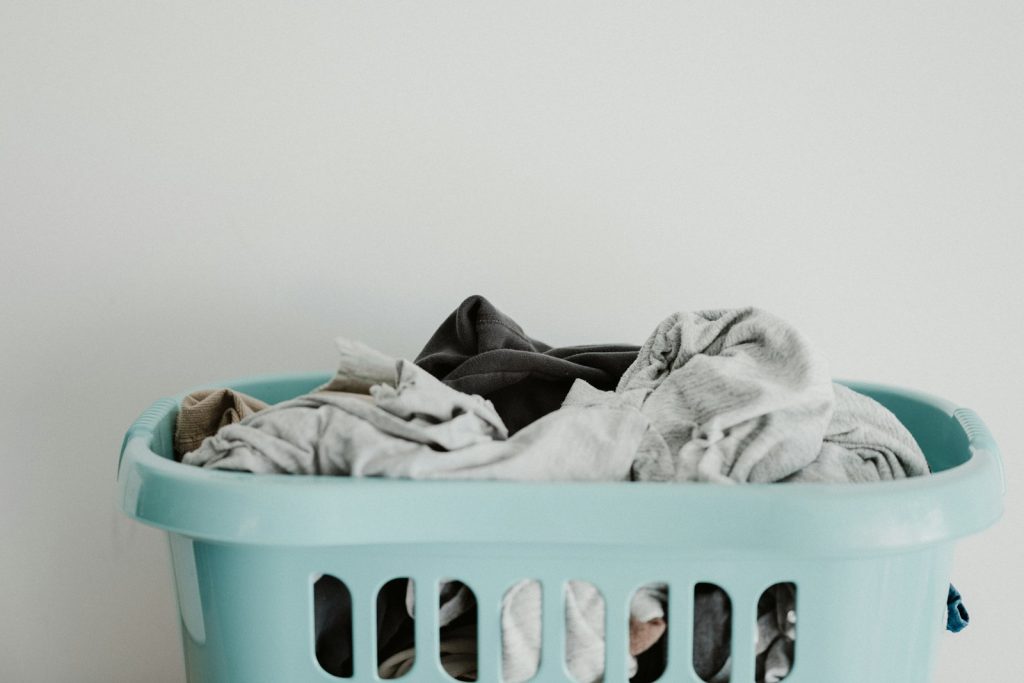
An overlooked item in a bedroom infestation is the hamper, raising the question of bed bugs in a laundry basket. The short answer is that yes, a laundry basket can harbor bed bugs — both in the dirty clothes piled inside it (a favored harborage, since worn clothing carries body odor that attracts them) and in the basket’s own crevices (the rim, weave of a wicker basket, or seams of a fabric hamper). And because laundry is carried to the laundry room, an infested basket can spread bugs there. So handling laundry safely — bagging it, treating it with heat, and not recontaminating clean clothes — matters.
This matters because laundry is a classic way bed bugs move around and even to communal laundry areas, and a hamper of worn clothing near the bed is an attractive harborage. Treating the bed but ignoring the laundry basket leaves a harborage, and carrying an infested basket to the laundry can spread bugs. Knowing how to handle the basket and its contents safely is part of clearing an infestation without spreading it.
In this guide you will learn how bed bugs get into a laundry basket, where they hide, how to handle laundry safely, how to treat the basket, how to avoid recontaminating clean clothes, and how to prevent it. We will use clear tables and finish with a checklist. 💚
- Bed Bugs in a Laundry Basket: Quick Answer
- Why Laundry Baskets Attract Bed Bugs
- Where They Hide in a Basket
- Laundry Basket Hiding Spots
- Handling Laundry Safely
- Transporting to the Laundry
- Treating the Clothes With Heat
- Treating the Basket
- Treatment by Basket Type
- Avoiding Recontamination
- Preventing Bed Bugs in Laundry
- Common Mistakes (and Fixes)
- Expert Pro Tips
- FAQs
- Final Verdict + Checklist
Bed Bugs in a Laundry Basket: Quick Answer
The quick answer is that a laundry basket can harbor bed bugs both in the dirty clothes piled inside (a favored harborage, since worn clothing carries body odor that attracts them) and in the basket’s own crevices (the rim, the weave of a wicker basket, or the seams of a fabric hamper). And because laundry is carried to the laundry room, an infested basket can spread bugs there. To handle it safely, bag the laundry for transport, treat the clothes with heat (hot wash and high-heat dry), treat or replace the basket, and avoid recontaminating clean clothes.
So the laundry basket is both a harborage and a transport risk — handle the clothes and the basket carefully. Our guide on whether dirty laundry attracts bed bugs covers the attraction.
A laundry basket harbors bed bugs in the dirty clothes (which attract them) and the basket’s crevices — and can carry them to the laundry room. Bag the laundry, heat-treat the clothes, and treat the basket.
Why Laundry Baskets Attract Bed Bugs
Laundry baskets attract bed bugs largely because of the dirty clothes in them. Worn clothing carries body odor and traces of the carbon dioxide and warmth associated with a person, which can attract bed bugs — so a pile of worn laundry is an appealing harborage, especially near the bed. The clothes also provide folds and crevices for bugs to hide in. So the contents, more than the basket itself, draw bed bugs.
The basket adds its own hiding spots (covered next), but the key attractant is the worn laundry. This is why a hamper of dirty clothes in an infested bedroom can become a concentrated harborage, and why leaving worn clothes piled up is discouraged during an infestation. Clean, laundered clothes are far less attractive, so it is specifically the dirty laundry that is the draw.
So laundry baskets attract bed bugs mainly through the worn clothes inside, which carry body odor and provide crevices — making a hamper of dirty laundry an appealing harborage. Our guide on what attracts bed bugs covers the cues.
Where They Hide in a Basket
Bed bugs hide both in the clothes and in the basket. In the clothes, they tuck into the folds, seams, and layers of the piled laundry. In the basket, they hide in the rim and handles, the weave of a wicker or woven basket (lots of crevices), the seams and folds of a fabric or pop-up hamper, and any cracks in a plastic basket. Eggs can be glued into these spots too.
A woven or fabric hamper offers more crevices than a smooth plastic basket, so it can harbor more bugs in its structure. But in any basket, the main harborage is the dirty clothes, with the basket’s crevices as a secondary spot. So when treating, address both the contents (the clothes) and the basket’s structure, especially for woven or fabric hampers.
So bugs hide in the clothes’ folds and the basket’s rim, weave, seams, and cracks — with the dirty clothes the main harborage and woven/fabric baskets offering more crevices. Our guide on where bed bugs hide covers crevices.
Laundry Basket Hiding Spots
| Spot | Why Bugs Like It |
|---|---|
| Dirty clothes (folds, layers) | Main harborage — body odor attracts |
| Basket rim and handles | Crevices and grips |
| Wicker/woven weave | Many tight crevices |
| Fabric hamper seams/folds | Sheltered fabric crevices |
| Plastic basket cracks | Gaps to tuck into |
The dirty clothes are the main harborage; woven and fabric baskets add more crevices than smooth plastic.
Handling Laundry Safely
Handle laundry from an infested area carefully to avoid spreading bugs. Do not carry an open basket of infested laundry through the home or to the laundry room, which can drop bugs along the way. Instead, bag the laundry in sealed plastic bags right at the source, keeping it contained until you reach the washer or dryer. Avoid sorting infested laundry on beds or clean surfaces.
When you reach the laundry, tip the clothes straight from the bag into the washer or dryer without shaking them out into the room (which could release bugs), then dispose of or set aside the bag that held the infested laundry. This contained handling — bag at the source, transport sealed, tip straight in — prevents the laundry from spreading bugs while you treat it.
So handle infested laundry by bagging it at the source, transporting it sealed, and tipping it straight into the machine — avoiding spreading bugs. A set of laundry bags (view options on Amazon) contains the laundry. Our guide on doing laundry with bed bugs covers safe handling.
Transporting to the Laundry
Transporting laundry — especially to a shared laundry room or laundromat — carries a spread risk, since you could drop bugs in common areas or pick up bugs from them. Always keep the laundry sealed in bags during transport (not in an open basket), tip it straight into the machine, and use a fresh, clean bag for the laundered clothes. Do not set the bag of dirty laundry on shared surfaces where bugs could escape.
For a shared laundry room or laundromat, this contained handling protects both your home and the communal space, helping prevent spread between households. After laundering, keep the clean clothes in the fresh bag and carry them home sealed. So sealed transport in both directions — dirty laundry contained going, clean laundry protected returning — is the key to safe transport.
So transport laundry sealed in bags in both directions, tip it straight into the machine, and use fresh bags for clean clothes — protecting your home and shared spaces. Our guide on using a laundromat with bed bugs covers shared facilities.
Treating the Clothes With Heat
The clothes in an infested basket need heat treatment, the reliable way to kill bed bugs and eggs on fabric. Wash the laundry on hot if the fabrics allow, and — most importantly — dry it on high heat for a full cycle, since the dryer’s sustained heat reliably kills bugs and eggs. Even clothes that cannot be hot-washed can often go through a high-heat dryer cycle to kill bugs (check the care labels).
Because the dirty clothes are the main harborage in the basket, treating them thoroughly with heat is the central step. After laundering, move the clean clothes into fresh, clean bags (not back into the infested basket or the bags that held dirty laundry), and keep them separated from untreated items until the infestation is handled. The dryer is the workhorse here, so do not skip the high-heat dry.
So treat the clothes with heat — hot wash if allowed and especially a full high-heat dryer cycle — and keep the clean clothes separated afterward. Our guide on using the dryer covers the heat that kills bed bugs.
Treating the Basket
Do not forget the basket itself, since it can harbor bugs in its crevices. For a smooth plastic basket, wipe it down and inspect/clean the rim, handles, and any cracks; it can also be washed or wiped with hot water (or treated with steam) to kill bugs in the crevices. For a woven (wicker) or fabric hamper, which has more crevices, steam it thoroughly, or — given baskets are inexpensive — consider replacing a heavily infested woven or fabric one.
Because the basket is cheap and replaceable, discarding a heavily infested woven or fabric hamper (wrapped and labeled) may be simpler than treating its many crevices, while a smooth plastic basket is easy to clean and keep. Whichever you choose, do not put clean, laundered clothes back into an untreated basket, which would recontaminate them. So treat or replace the basket as part of clearing the laundry.
So treat a plastic basket by cleaning/steaming it, and steam or replace a woven or fabric hamper (cheap to replace) — and never put clean clothes in an untreated basket. A smooth plastic laundry basket (see options on Amazon) is easier to keep clean than a woven one. Our guide on using steam covers treating crevices.
Treatment by Basket Type
| Basket Type | Treatment |
|---|---|
| Smooth plastic | Wipe/wash with hot water or steam; easy to keep |
| Wicker/woven | Steam thoroughly, or replace (many crevices) |
| Fabric/pop-up hamper | Launder if possible, steam, or replace |
| Heavily infested | Replace (cheap; wrap and label old one) |
Treat smooth plastic easily; steam or replace crevice-rich woven and fabric hampers.
Avoiding Recontamination
A critical step is avoiding recontaminating clean, laundered clothes. Never put treated clothes back into the infested basket, the bags that held dirty laundry, or an untreated room — this would undo the laundering by exposing them to bugs again. Instead, put clean clothes into fresh, clean bags or a clean (treated or new) basket, and keep them in a clean, monitored area until the infestation is cleared.
This treated-versus-untreated separation is the same principle as in any bed bug laundering: clean items stay clean only if kept away from infested items and surfaces. So plan where your clean clothes will go before you launder, using fresh bags or a clean basket, and do not return them to the infested zone. Avoiding recontamination is what makes the laundering effort actually count.
So avoid recontamination by keeping clean clothes in fresh bags or a clean basket, away from infested items and surfaces — never back in the infested basket. Our guide on storing clothes after treatment covers keeping them clean.
Preventing Bed Bugs in Laundry
Prevent bed bugs in your laundry by addressing the bedroom infestation (the source), not piling worn laundry near the bed during an infestation, and using a smooth, easy-to-clean basket. Keeping dirty laundry contained (for example, in a sealed bag or a closed, smooth hamper) rather than an open pile reduces its appeal as a harborage. Launder regularly so worn clothes do not accumulate.
For ongoing prevention, monitor the bedroom with interceptors, keep the area uncluttered, and handle laundry with the safe practices above whenever there is any bed bug concern. Because the laundry basket’s appeal comes from the dirty clothes, managing the laundry (contained, regularly washed) and the bedroom keeps the basket from becoming a harborage. So prevention focuses on the source and on laundry habits.
So prevent by treating the bedroom source, not piling worn laundry near the bed, using a smooth contained hamper, laundering regularly, and monitoring. A set of interceptor traps (view options on Amazon) monitors the bedroom. Our guide on preventing bed bugs covers the habits.
Common Mistakes (and Fixes)
- Mistake: Carrying an open basket of infested laundry through the home. Fix: bag it at the source and transport sealed.
- Mistake: Ignoring the basket itself. Fix: clean or steam it, or replace a woven/fabric one.
- Mistake: Putting clean clothes back in the infested basket. Fix: use fresh bags or a clean basket to avoid recontamination.
- Mistake: Skipping the high-heat dry. Fix: the dryer is the key killing step for the clothes.
- Mistake: Piling worn laundry near the bed. Fix: contain it; worn clothes attract bed bugs.
Expert Pro Tips
- The dirty clothes are the draw. Worn laundry attracts bed bugs.
- Bag at the source. Don’t carry an open infested basket.
- Treat or replace the basket. Steam plastic; replace woven/fabric if heavily infested.
- Never recontaminate. Clean clothes go in fresh bags or a clean basket.
A laundry basket harbors bed bugs in the dirty clothes (which attract them) and the basket’s crevices. Bag the laundry at the source, high-heat dry the clothes, treat or replace the basket, and never recontaminate clean clothes.
Real-Life Scenarios
The dirty pile. Mara found bed bugs concentrated in the hamper of worn clothes by her bed — the body odor had drawn them. Bagging and high-heat drying the clothes cleared them.
The woven hamper. Tom’s wicker hamper had bugs deep in the weave; rather than steam every crevice, he replaced the inexpensive basket and switched to smooth plastic.
The recontamination. After laundering, Dana almost put the clean clothes back in the infested basket — using a fresh bag instead kept them clean.
Frequently Asked Questions
Can bed bugs live in a laundry basket?
Yes — a laundry basket can harbor bed bugs both in the dirty clothes piled inside (a favored harborage, since worn clothing carries body odor that attracts them) and in the basket’s own crevices (the rim, the weave of a wicker basket, or the seams of a fabric hamper). And because laundry is carried to the laundry room, an infested basket can spread bugs there. Treat the clothes with heat and treat or replace the basket.
Why do bed bugs go in dirty laundry?
Because worn clothing carries body odor and traces of the cues associated with a person (warmth and carbon dioxide), which can attract bed bugs, and the piled clothes provide folds and crevices to hide in. So a hamper of dirty laundry, especially near the bed, is an appealing harborage. Clean, laundered clothes are far less attractive, so it is specifically the worn, dirty laundry that draws them.
How do I handle laundry with bed bugs safely?
Bag the laundry in sealed plastic bags right at the source (do not carry an open basket through the home), transport it sealed, and tip the clothes straight from the bag into the washer or dryer without shaking them into the room. Wash on hot if the fabrics allow and dry on high heat for a full cycle (the key killing step). Then move clean clothes into fresh bags, and dispose of or set aside the bags that held the dirty laundry.
Do I need to treat the laundry basket itself?
Yes — the basket can harbor bugs in its crevices. Wipe down and clean or steam a smooth plastic basket (easy to keep), and steam a woven (wicker) or fabric hamper thoroughly, or — given baskets are inexpensive — replace a heavily infested woven or fabric one (wrapped and labeled). Never put clean, laundered clothes back into an untreated basket, which would recontaminate them.
How do I avoid recontaminating clean clothes?
Never put treated clothes back into the infested basket, the bags that held dirty laundry, or an untreated room. Instead, put clean clothes into fresh, clean bags or a clean (treated or new) basket, and keep them in a clean, monitored area until the infestation is cleared. Plan where your clean clothes will go before laundering, using the treated-versus-untreated separation to keep them clean.
Can I spread bed bugs at a shared laundry room or laundromat?
You can if you handle laundry carelessly — carrying an open basket of infested laundry or shaking clothes out could drop bugs in common areas, and you could pick up bugs from shared surfaces. To prevent this, keep laundry sealed in bags during transport in both directions, tip it straight into the machine, use fresh bags for clean clothes, and avoid setting bags of dirty laundry on shared surfaces. This protects both your home and the communal space.
Final Verdict + Checklist
Bed bugs in a laundry basket hide both in the dirty clothes piled inside — the main harborage, since worn clothing’s body odor attracts them — and in the basket’s own crevices (the rim, weave, or seams), and an infested basket can carry bugs to the laundry room. So handle laundry safely: bag it at the source, transport it sealed, and tip it straight into the machine; treat the clothes with heat (hot wash if allowed and especially a full high-heat dryer cycle, the key killing step); and treat or replace the basket (clean or steam smooth plastic, steam or replace crevice-rich woven and fabric hampers). Crucially, never put clean, laundered clothes back into the infested basket or dirty-laundry bags — use fresh bags or a clean basket to avoid recontamination. Prevent by treating the bedroom source, not piling worn laundry near the bed, using a smooth contained hamper, and monitoring. Handle the clothes and the basket carefully, and a laundry basket harborage can be cleared without spreading bugs.
- Know the dirty clothes are the main draw
- Bag laundry at the source; don’t carry an open basket
- Transport sealed; tip straight into the machine
- Hot wash if allowed and high-heat dry the clothes
- Clean or steam a plastic basket; steam or replace woven/fabric ones
- Never put clean clothes back in the infested basket
- Use fresh bags or a clean basket for laundered clothes
- Treat the bedroom source and monitor
This guide is educational and prevention-focused. It does not provide medical advice. For established infestations, consider a licensed professional. Some links may earn us a small commission at no extra cost to you.
Further reading from public agencies
These are United States agencies. If you are elsewhere, check your national or local public-health or pest-control authority. This article is general information, not medical advice or a diagnosis.