Do Bed Bugs Live in Houseplants? The Facts (2026)
Do bed bugs live in houseplants? No — bed bugs feed on blood, not plants, and do not live in soil or foliage. Learn why, what bugs in houseplants actually are, and why bed bugs hide near beds instead.
Disclosure: As an Amazon Associate we earn from qualifying purchases. Some links on this page are affiliate links: they cost you nothing extra and do not change what we write. Read our affiliate disclosure.
When bugs appear around plants, people sometimes worry and ask: do bed bugs live in houseplants? The short and reassuring answer is no — bed bugs do not live in houseplants, soil, or foliage. Bed bugs feed exclusively on blood (primarily human), not on plants, and they harbor near where people sleep so they can feed at night — not in pots of soil or among leaves, which offer them no food. So bugs you find in or on houseplants are almost certainly something else, not bed bugs.
This matters because bed bug fear can make people suspect them anywhere, including plants, when in reality houseplants are not a bed bug habitat at all. Understanding that bed bugs need blood and stay near sleeping hosts — not plants — helps you rule them out for your houseplants and correctly identify what the plant bugs actually are (plant pests like gnats, aphids, or others). This replaces a misplaced worry with accurate knowledge.
In this guide you will learn whether bed bugs live in houseplants (no), why they do not, what bugs in houseplants actually are, where bed bugs do live instead, and how to tell the difference. We will use clear tables and finish with a checklist. 💚
- Do They Live in Houseplants? Quick Answer
- Why Bed Bugs Don’t Live in Plants
- They Don’t Live in Soil Either
- What Bugs in Houseplants Actually Are
- Houseplant Bugs vs Bed Bugs
- Where Bed Bugs Actually Live
- Could Bed Bugs Be Near a Plant?
- How to Tell the Difference
- Telling Them Apart
- Confirming Bed Bugs (Elsewhere)
- Common Mistakes (and Fixes)
- Smart Habits
- FAQs
- Final Verdict + Checklist
Do They Live in Houseplants? Quick Answer
The quick answer is no — bed bugs do not live in houseplants, soil, or foliage. Bed bugs feed exclusively on blood (primarily human), not on plants, and they harbor near where people sleep so they can feed at night — not in pots of soil or among leaves, which offer them no food and no suitable harborage. So bugs you find in or on your houseplants are almost certainly plant pests (like fungus gnats, aphids, or others), not bed bugs.
This is reassuring: houseplants are simply not a bed bug habitat, so you can rule them out as a bed bug source. Bed bugs live near beds and sleeping areas, not plants. Our guide on what bed bugs eat covers their blood-only diet.
No — bed bugs don’t live in houseplants or soil. They feed on blood, not plants, and harbor near where people sleep. Bugs in your plants are plant pests, not bed bugs.
Why Bed Bugs Don’t Live in Plants
Bed bugs do not live in plants because plants offer them nothing they need. Bed bugs are obligate blood feeders — they feed on the blood of humans (and sometimes other warm-blooded animals), not on plant material, sap, or soil. A houseplant provides no blood meal, so a bed bug has no reason to live in or on it. Their entire biology is built around finding and feeding on a sleeping host, which a plant is not.
Bed bugs also harbor in tight crevices near where their host sleeps, so they can emerge to feed at night and retreat to hide — their habitat is the bed and its surroundings, not foliage. So both their diet (blood only) and their habitat (near sleeping hosts) rule out houseplants. This is fundamental to bed bug biology: no blood, no bed bugs, and plants have no blood.
So bed bugs don’t live in plants because they feed only on blood (which plants don’t provide) and harbor near sleeping hosts, not foliage — their diet and habitat both exclude plants. Our guide on what attracts bed bugs covers what they actually seek.
They Don’t Live in Soil Either
Bed bugs do not live in soil either. Soil offers no blood meal and is not the kind of dry, sheltered crevice near a host that bed bugs favor for harboring. So a pot of soil is not a bed bug habitat — bugs you see in or on houseplant soil are soil-dwelling or plant pests (like fungus gnats, whose larvae live in moist soil), not bed bugs. The idea of bed bugs living in plant soil is a misconception.
This is worth stating clearly because people sometimes assume bed bugs could lurk in soil like some other insects, but bed bugs’ blood-only diet and host-proximity harboring make soil irrelevant to them. So you do not need to treat or worry about houseplant soil for bed bugs — any soil bugs are a plant-care issue, not a bed bug one. Bed bugs simply are not soil dwellers.
So bed bugs don’t live in soil, which offers no blood and isn’t their kind of harborage — soil bugs are plant pests, not bed bugs. Our guide on where bed bugs actually hide covers their real harborages.
What Bugs in Houseplants Actually Are
Bugs in or on houseplants are plant pests, not bed bugs. Common houseplant bugs include fungus gnats (small flying insects whose larvae live in moist soil), aphids (small sap-feeding insects on stems and leaves), spider mites, mealybugs, scale, whiteflies, and similar plant pests. These feed on the plant or its sap and live on the foliage or in the soil — an entirely different category from bed bugs, which feed on blood near beds.
So if you see bugs around a houseplant, identify them as plant pests and address them as a plant-care issue (proper watering, plant pest controls, etc.), not as bed bugs. The appearance and behavior differ — plant pests are on or fly around the plant and feed on it, while bed bugs are flat, reddish-brown, hide near beds, and feed on blood. Recognizing plant pests for what they are prevents a bed bug false alarm.
So bugs in houseplants are plant pests (fungus gnats, aphids, mites, etc.) that feed on the plant or soil — a plant-care issue, not bed bugs. Our guide on bugs mistaken for bed bugs covers misidentification.
Houseplant Bugs vs Bed Bugs
| Feature | Houseplant Pests | Bed Bugs |
|---|---|---|
| Food | Plant, sap, or soil organic matter | Blood only |
| Location | On foliage or in soil | Crevices near beds |
| Examples | Gnats, aphids, mites, mealybugs | Bed bugs (one species) |
| Appearance | Varies; often tiny or on plant | Flat, oval, reddish-brown |
| Bite humans? | No (they feed on plants) | Yes (feed on blood) |
Bugs in houseplants feed on the plant or soil and live there; bed bugs feed on blood and live near beds — entirely different.
Where Bed Bugs Actually Live
Bed bugs actually live in tight crevices near where people sleep, so they can feed at night. Their primary harborages are the bed — mattress seams, box spring, frame, and headboard — and the immediate surroundings (nearby furniture, baseboards), spreading outward as an infestation grows. They choose these spots because they are close to the sleeping host and offer the dark, sheltered cracks bed bugs prefer.
So if you are looking for bed bugs, look at the bed and sleeping area, not the houseplants. This is where their blood meal (the sleeping person) and their preferred harborage (crevices near the bed) coincide. A houseplant across the room is irrelevant to a bed bug; the bed is the center of their world. Knowing their true habitat focuses any inspection on the right place.
So bed bugs live in crevices near where people sleep — the bed and its surroundings — not houseplants. Inspect the bed area, not the plants. Our guide on where bed bugs hide covers their real habitat.
Could Bed Bugs Be Near a Plant?
The only way a bed bug would be near a houseplant is incidentally — for example, if a plant’s pot or stand happened to sit very close to an infested bed, a wandering bug might briefly be on or near it in transit. But even then, the bug is not living in the plant or soil; it is just passing by, and the plant is not its harborage or food source. This is rare and incidental, not the plant being a bed bug habitat.
So you might, in a heavy infestation, occasionally see a bed bug in the vicinity of a plant near the bed, but the bug is not there because of the plant — it is there because of the nearby bed and host. The plant itself remains a non-habitat. Moving a plant away from an infested bed and treating the actual harborages (the bed) addresses this, not treating the plant for bed bugs.
So a bed bug could only be near a plant incidentally (passing by a pot near an infested bed), not living in it — the plant is never the habitat. Our guide on how bed bugs move covers their wandering.
How to Tell the Difference
To tell whether bugs are plant pests or (the unlikely) bed bugs, look at what they are and where. Plant pests are on or flying around the plant, feed on it or its soil, and are often tiny, green, white, or gnat-like; they do not bite people. Bed bugs are flat, oval, reddish-brown, apple-seed-sized (as adults), hide in crevices near the bed (not on plants), feed on blood, and are associated with bites and signs (fecal spots, shed skins) near sleeping areas.
So if the bugs are on the plant or in the soil and feeding on the plant, they are plant pests — deal with them as a plant-care issue. If you have bites and signs near the bed, look there for bed bugs, not at the plant. The location and behavior make the distinction clear: plants for plant pests, beds for bed bugs. Identifying the bug (or capturing one) confirms it.
So tell them apart by location and behavior — plant pests on/around the plant feeding on it, bed bugs flat and reddish-brown near beds feeding on blood. Our guide on what bed bugs look like covers identification.
Telling Them Apart
| Clue | Plant Pest | Bed Bug |
|---|---|---|
| Where you see it | On the plant or in soil | Crevices near the bed |
| What it feeds on | The plant or soil | Blood (you) |
| Bites/signs near bed | No | Yes (fecal spots, shed skins) |
| Appearance | Tiny, green/white/gnat-like | Flat, oval, reddish-brown |
Location and feeding behavior make it clear — plant pests live on plants, bed bugs live near beds.
Confirming Bed Bugs (Elsewhere)
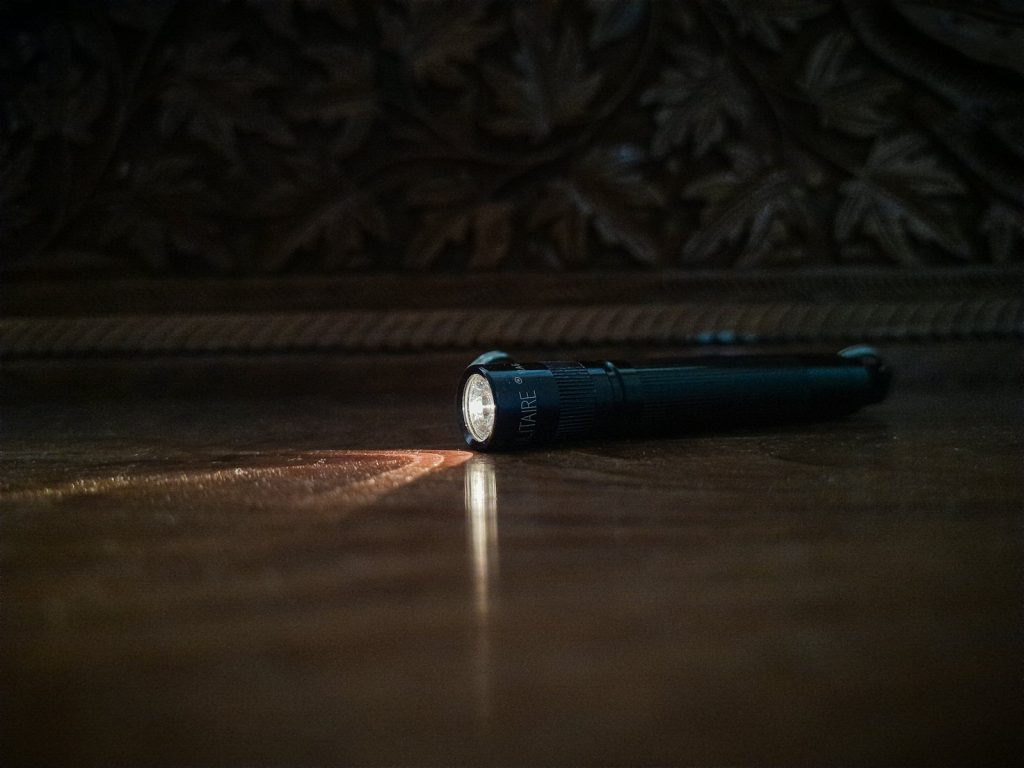
If you are worried about bed bugs, confirm them where they actually live — the bed and sleeping area — not the plants. With a bright flashlight, inspect the mattress seams, box spring, frame, headboard, and nearby furniture for live bugs, pale eggs, shed skins, and dark fecal spots. Interceptor traps under the bed legs detect bugs over time. This is where you will find bed bugs if you have them.
So redirect any bed bug concern from the houseplants (a non-habitat) to the bed area (the real habitat). If you find signs there, treat the infestation; if not, and your plant bugs are clearly plant pests, you can rule out bed bugs. Confirming in the right place — with the flashlight and interceptors at the bed — gives you an accurate answer, unlike worrying about the plants.
So confirm bed bugs at the bed and sleeping area with a flashlight and interceptors — not the plants, which are not their habitat. A detection flashlight (view options on Amazon) and interceptor traps (see options on Amazon) help. Our guide on finding bed bugs covers confirmation.
Bringing New Plants Home: Any Bed Bug Risk?
Because bed bugs do not live in plants or soil, bringing home a new houseplant from a store or nursery carries essentially no bed bug risk from the plant itself — a plant is not a bed bug vehicle the way used furniture or luggage is. You should still inspect new plants for plant pests (to avoid introducing gnats or aphids to your other plants), but that is a plant-care concern, not a bed bug one.
The only theoretical bed bug consideration when acquiring anything is if it came with infested non-plant items — for example, a secondhand plant given along with infested furniture, where the furniture (not the plant) is the risk. So judge the bed bug risk of an acquisition by the non-plant items involved (furniture, bags, soft goods), not the plant. The plant itself is not a bed bug carrier.
So new houseplants carry essentially no bed bug risk from the plant itself — inspect them for plant pests, but judge bed bug risk by any non-plant items involved. Our guide on avoiding bed bugs in secondhand items covers the items that do carry risk.
Common Mistakes (and Fixes)
- Mistake: Suspecting bed bugs in houseplants. Fix: they don’t live in plants or soil — plant bugs are plant pests.
- Mistake: Treating soil for bed bugs. Fix: soil is not a bed bug habitat — address soil bugs as a plant-care issue.
- Mistake: Misidentifying plant pests as bed bugs. Fix: check location and behavior — plant pests feed on the plant.
- Mistake: Looking for bed bugs at the plants. Fix: inspect the bed and sleeping area, their real habitat.
- Mistake: Ignoring real bed bug signs near the bed. Fix: confirm bed bugs where they live, with a flashlight and interceptors.
Smart Habits
- No blood, no bed bugs. Plants offer no blood meal.
- Plant bugs are plant pests. Gnats, aphids, mites — not bed bugs.
- Look at the bed. That is where bed bugs live.
- Identify, don’t assume. Location and behavior tell them apart.
Bed bugs don’t live in houseplants or soil — they feed on blood, not plants, and harbor near beds. Bugs in your plants are plant pests. Look for bed bugs at the bed, not the foliage.
Real-Life Scenarios
The gnats. Mara saw small bugs flying around a houseplant and feared bed bugs, but they were fungus gnats from the moist soil — a plant-care issue, not bed bugs.
The misdirected search. Tom inspected his plants for bed bugs and found nothing relevant — redirecting to the bed area (their real habitat) was where any bed bugs would be.
The reassurance. Worried after a trip, Dana learned bed bugs don’t live in plants, focused her inspection on the bed, and confirmed she was clear.
Frequently Asked Questions
Do bed bugs live in houseplants?
No — bed bugs do not live in houseplants, soil, or foliage. They feed exclusively on blood (primarily human), not on plants, and harbor near where people sleep so they can feed at night, not among leaves or in pots. So bugs you find in or on your houseplants are almost certainly plant pests (like fungus gnats, aphids, or mites), not bed bugs. Houseplants are simply not a bed bug habitat.
Can bed bugs live in plant soil?
No — soil offers no blood meal and is not the dry, sheltered crevice near a host that bed bugs favor, so it is not a bed bug habitat. Bugs in or on houseplant soil are soil-dwelling or plant pests (like fungus gnats, whose larvae live in moist soil), not bed bugs. You do not need to treat or worry about houseplant soil for bed bugs — soil bugs are a plant-care issue.
What are the bugs in my houseplant if not bed bugs?
Likely common houseplant pests — fungus gnats (small flying insects from moist soil), aphids (sap-feeders on stems and leaves), spider mites, mealybugs, scale, whiteflies, or similar. These feed on the plant or its sap and live on the foliage or in the soil, which is entirely different from bed bugs (blood feeders that live near beds). Address them as a plant-care issue, not a bed bug one.
Why don’t bed bugs live in plants?
Because plants offer them nothing they need: bed bugs are obligate blood feeders (they feed only on blood, not plant material or sap), and they harbor in tight crevices near where their host sleeps so they can feed at night. A plant provides no blood meal and is not their kind of harborage, so both their diet and their habitat rule out houseplants. No blood, no bed bugs.
Could a bed bug ever be near my plant?
Only incidentally — for example, if a pot or stand sits very close to an infested bed, a wandering bug might briefly be near it in transit. But even then it is not living in the plant or soil; it is just passing by, drawn by the nearby bed and host, not the plant. The plant remains a non-habitat. Treat the actual harborages (the bed), not the plant.
Where should I look for bed bugs instead of my plants?
At the bed and sleeping area — their real habitat. With a bright flashlight, inspect the mattress seams, box spring, frame, headboard, and nearby furniture for live bugs, pale eggs, shed skins, and dark fecal spots, and use interceptor traps under the bed legs. This is where bed bugs live (near the sleeping host), so it is where you will find them if you have them — not the houseplants.
Final Verdict + Checklist
Do bed bugs live in houseplants? No — and this is reassuring. Bed bugs feed exclusively on blood, not plants, and harbor in tight crevices near where people sleep so they can feed at night, so they do not live in houseplants, soil, or foliage, which offer them no food and no suitable harborage. Bugs you find in or on your plants are plant pests — fungus gnats, aphids, mites, and similar — that feed on the plant or soil and are a plant-care issue, not bed bugs. Tell them apart by location and behavior (plant pests on/around the plant feeding on it; bed bugs flat and reddish-brown near beds feeding on blood). If you are worried about bed bugs, look where they actually live — the bed and sleeping area, with a flashlight and interceptors — not the plants. Rule out the houseplants and focus on the bed.
- Know bed bugs don’t live in plants or soil (they feed on blood)
- Recognize plant bugs as plant pests (gnats, aphids, mites)
- Don’t treat soil or plants for bed bugs
- Tell them apart by location and feeding behavior
- Look for bed bugs at the bed and sleeping area
- Use a flashlight and interceptors to confirm at the bed
- Address plant pests as a plant-care issue
- Don’t let plant bugs cause a bed bug false alarm
This guide is educational and prevention-focused. It does not provide medical advice. For established infestations, consider a licensed professional. Some links may earn us a small commission at no extra cost to you.
Further reading from public agencies
These are United States agencies. If you are elsewhere, check your national or local public-health or pest-control authority. This article is general information, not medical advice or a diagnosis.