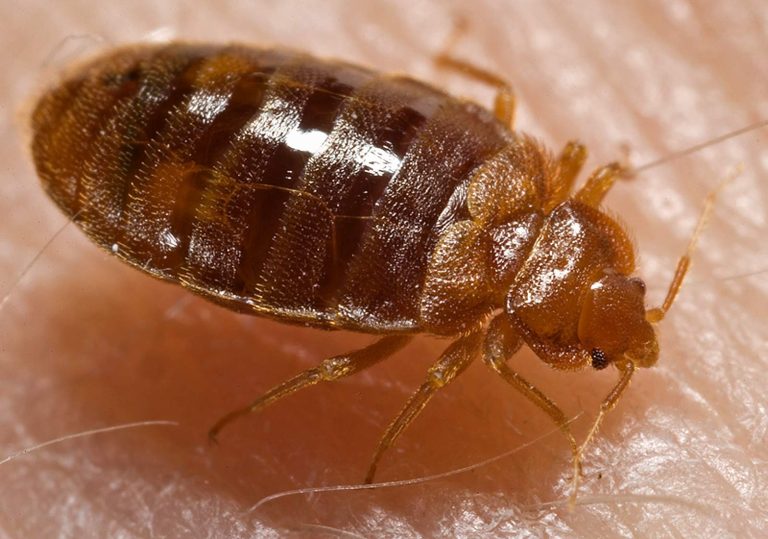
Can Bed Bugs Chew Through Plastic? (2026)
Can bed bugs chew through plastic? No — they have no chewing mouthparts and cannot bite through plastic bags or encasements. But they escape through gaps and tears, so sealing must be airtight. Learn how to seal properly.
Disclosure: As an Amazon Associate we earn from qualifying purchases. Some links on this page are affiliate links: they cost you nothing extra and do not change what we write. Read our affiliate disclosure.
When sealing items in bags or using encasements, a practical question arises: can bed bugs chew through plastic? The short answer is no — bed bugs cannot chew or bite through plastic. They have piercing-sucking mouthparts designed for feeding on blood, not chewing mandibles, so they cannot gnaw, bite, or eat their way through a plastic bag, a mattress encasement, or similar barriers. This is exactly why sealed plastic bags and bed-bug-proof encasements work to trap or exclude them.
This matters because the whole strategy of sealing items, bagging belongings, and encasing mattresses relies on plastic being an effective barrier — which it is, as long as it is intact and properly sealed. The catch is not that bugs chew through; it is that they escape through gaps, openings, tears, or poorly-closed seals. So understanding that the barrier works, but only when airtight and undamaged, is the key to sealing items effectively.
In this guide you will learn whether bed bugs can chew through plastic (they cannot), how they actually escape containment, what this means for sealing bags and encasements, how thick the plastic needs to be, and how to seal items properly. We will use clear tables and finish with a checklist. 💚
- Can They Chew Through Plastic? Quick Answer
- Why They Can’t Chew Through
- How Bed Bugs Actually Escape
- Chewing vs Escaping
- Sealing Items in Plastic Bags
- How Encasements Use This
- Does Plastic Thickness Matter?
- Plastic and Bed Bugs
- How to Seal Items Properly
- Sealing to Starve Bugs
- Common Mistakes (and Fixes)
- Smart Habits
- FAQs
- Final Verdict + Checklist
Can They Chew Through Plastic? Quick Answer
The quick answer is no — bed bugs cannot chew or bite through plastic. Their mouthparts are built for piercing skin and sucking blood, not chewing, so they cannot gnaw through a plastic bag, mattress encasement, or similar barrier. This is precisely why sealed plastic and bed-bug-proof encasements are effective at trapping bugs inside or keeping them out. The plastic itself is a reliable barrier.
What bed bugs can do is escape through gaps, openings, tears, or unsealed edges — not by chewing, but by crawling through any opening. So the effectiveness of plastic depends entirely on it being intact and properly, airtightly sealed. Our guide on bed bugs in a sealed bag covers using plastic as a barrier.
Bed bugs cannot chew or bite through plastic — they have no chewing mouthparts. They only escape through gaps or tears, so a properly sealed, intact bag or encasement reliably contains them.
Why They Can’t Chew Through
Bed bugs cannot chew through plastic because of how their mouthparts are built. They have a piercing-sucking proboscis — a slender beak designed to pierce skin and draw blood — not the chewing mandibles that some insects (like cockroaches or beetles) use to gnaw materials. Without chewing mouthparts, a bed bug has no way to bite, gnaw, or eat through a plastic barrier.
This is a fundamental anatomical limitation, not a matter of effort — a bed bug simply lacks the equipment to breach plastic. The same is true for other intact barriers like glass or metal; bed bugs cannot chew through any of them. So plastic is not something bugs work through over time; an intact plastic barrier remains a barrier indefinitely.
So bed bugs cannot chew through plastic because they have piercing-sucking mouthparts, not chewing ones — an anatomical fact that makes intact plastic a permanent barrier. This is why sealing works. Our guide on bed bug anatomy and appearance covers their mouthparts.
How Bed Bugs Actually Escape
Since they cannot chew through, bed bugs escape containment only through openings: an unsealed or poorly-closed bag opening, a gap at a zipper, a tear or puncture in the plastic, or any hole. They crawl out through these openings — their flat bodies fit through surprisingly small gaps. So a containment failure is always a sealing or integrity failure, never the bugs eating through.
This means the weak points are the closures and the material’s integrity, not the plastic surface itself. A bag tied loosely, a zipper that does not fully close, a seam that gaps, or a puncture from a sharp object — these are how bugs get out. Recognizing this redirects your attention to sealing every opening completely and avoiding tears, rather than worrying about the plastic being breached.
So bed bugs escape only through gaps, openings, and tears — by crawling, not chewing. The key to containment is eliminating openings and protecting against punctures. Our guide on how bed bugs move and squeeze covers their ability to fit through gaps.
Chewing vs Escaping
| Question | Answer |
|---|---|
| Can they chew through plastic? | No — no chewing mouthparts |
| Can they bite through a bag? | No |
| Can they escape a loose bag? | Yes — through the opening |
| Can they exit through a tear? | Yes — through any hole |
| Does intact, sealed plastic contain them? | Yes — reliably |
The risk is gaps and tears, not chewing — so seal completely and keep the plastic intact.
Sealing Items in Plastic Bags
Because bugs cannot chew through plastic, sealing items in plastic bags is an effective way to contain them — as long as the bag is fully sealed and intact. Use sturdy bags, seal them completely (tie tightly or use a zip closure), and avoid overstuffing, which can stress seams or prevent a good seal. A properly sealed bag traps any bugs inside, unable to escape or get out to feed.
This is the basis for bagging belongings during treatment and isolating items: a sealed bag contains the bugs. The two things to get right are a complete seal (no gaps at the opening) and an intact bag (no tears or punctures). Handle bags gently to avoid tears, and double-bag or use heavier bags for items with sharp edges. A good seal is what makes the bag work.
So seal items in sturdy, intact plastic bags with a complete closure to contain bed bugs — the plastic holds, so the seal and integrity are what matter. A set of heavy-duty sealable bags (view options on Amazon) resists tears and seals well. Our guide on bagging during treatment covers technique.
How Encasements Use This
Bed-bug-proof mattress and box spring encasements work on exactly this principle: bugs cannot chew through the encasement material, so a quality encasement with a sealed (zippered) closure traps any bugs inside the mattress (where they cannot escape or feed and eventually die) and keeps new bugs from getting in to harbor in the seams. The smooth, sealed encasement turns the mattress into a barrier.
The critical feature is the sealed closure — a zipper designed so bugs cannot escape through it, often with a flap or special zipper end. Because bugs cannot breach the material, the only potential weak point is the closure or a tear, which quality encasements are designed to prevent. Left on long-term, the encasement ensures any trapped bugs die (since they cannot feed) and the mattress stays bug-proof.
So encasements rely on bugs being unable to chew through plastic/fabric, using a sealed closure to trap and exclude them — an effective tool when quality and properly sealed. A mattress encasement (see options on Amazon) with a sealed zipper does this. Our guide on mattress encasements covers choosing one.
Does Plastic Thickness Matter?
Since bugs cannot chew through plastic, thickness does not matter for stopping them from eating through — even thin plastic is impervious to their mouthparts. Where thickness matters is durability: thicker, sturdier plastic resists tears and punctures better, which is the actual failure mode. A thin, flimsy bag can rip or puncture (letting bugs out through the hole), while a heavier bag holds up to handling.
So choose plastic thickness based on durability and handling, not on fear of chewing. For items that will be moved, stored long-term, or have sharp edges, a thicker bag or container reduces the risk of tears. For a quick, gentle seal, even a normal bag works as long as it stays intact. The goal is to avoid the openings and tears that are the real escape routes.
So plastic thickness matters for tear resistance, not for preventing chewing (which is impossible anyway). Use sturdier plastic where durability is needed. Our guide on storing items safely covers durable containment.
Plastic and Bed Bugs
| Plastic Item | Stops Bed Bugs? | Note |
|---|---|---|
| Thin plastic bag (sealed) | Yes — if intact | Can tear; handle gently |
| Heavy-duty bag (sealed) | Yes | Resists tears better |
| Rigid plastic tote (sealed) | Yes | Durable; check lid seal |
| Mattress encasement | Yes | Sealed zipper is key |
| Torn or unsealed plastic | No | Bugs escape through the gap |
Any intact, sealed plastic stops bed bugs — thickness affects durability, not their inability to chew.
How to Seal Items Properly
To seal items properly, fully close every opening (tie tightly or zip completely), use intact bags or containers without tears or holes, and avoid overstuffing so seams and closures hold. For rigid totes, check that the lid seals well. Handle sealed items gently to avoid creating tears, and consider double-bagging or heavier containers for items that will be stored long-term or have sharp edges.
Inspect the seal and the bag’s integrity — a complete closure and no holes are what contain the bugs. When transporting infested items, keep them sealed until you reach the treatment or disposal point. The principle is simple: since bugs cannot chew through, you only need to eliminate openings and keep the plastic intact, and the containment holds.
So seal every opening completely, use intact and appropriately sturdy plastic, avoid overstuffing and tears, and check rigid lids. Proper sealing is all it takes, since the plastic itself holds. Our guide on stopping bed bugs from spreading covers contained handling.
Sealing to Starve Bugs
Because sealed plastic reliably contains bed bugs, you can use it to isolate items long-term so any trapped bugs eventually die from lack of feeding. However, bed bugs can survive a long time without a blood meal — weeks to many months depending on conditions — so sealing alone is slow, and items must stay sealed well beyond that to ensure all stages (including eggs that hatch inside) die. This is why heat treatment is usually preferred for faster results.
If you do rely on sealing to starve bugs, keep the item completely sealed and intact for a long period (many months to be safe), and do not open it early, which would release any survivors. The plastic will hold them the entire time, since they cannot chew out — the only requirement is patience and an unbroken seal. For quicker clearance, treat the item with heat and then seal it clean.
So sealing can starve bed bugs over a long time, leveraging their inability to chew out, but it is slow because they survive long without feeding — heat is faster. Keep the seal intact the whole time. Our guide on how long bed bugs survive without feeding covers the timeline.
What About Other Materials?
The same logic applies to other solid materials: bed bugs cannot chew through glass, metal, or hard plastic either, because they lack chewing mouthparts. They also cannot bore into intact, solid wood, though they readily hide in cracks, splits, and joints in wood and can get behind loose surfaces. So smooth, intact, hard materials are all barriers — the issue is always whether there are gaps, cracks, or openings, not whether the bug can breach the material.
This is why bed bugs are found in the crevices of furniture and walls rather than having tunneled into solid material — they exploit existing gaps. A sealed hard container (glass, metal, or rigid plastic) with a tight lid contains them just as a sealed bag does. The recurring theme is that bed bugs are crevice-dwellers and gap-crawlers, not material-chewers.
So no solid material — plastic, glass, metal, or intact wood — can be chewed through by bed bugs; they only exploit gaps and cracks. Seal the gaps, and any solid container holds. Our guide on whether bed bugs live in wood covers how they use crevices rather than boring in.
Can Bed Bugs Get Into Sealed Containers?
A related question is whether bed bugs can get into a sealed container of clean items. The answer mirrors the escape question: they cannot chew or force their way through intact, sealed plastic or hard containers, so a properly sealed container of clean items stays bug-free even in an infested room. This is why storing treated, clean items in sealed bags or totes protects them during treatment.
The only way bugs get into a container is through an opening — a lid that does not seal, a bag left open, or a gap — so the same rule applies: seal completely and keep it intact. Sealed storage is a powerful tool for protecting clean clothing and bedding while you treat a room, precisely because bugs cannot breach the plastic to reach the contents.
So bed bugs cannot get into a properly sealed, intact container, making sealed storage an effective way to protect clean items during treatment. Seal completely and keep the container intact. Our guide on storing clothes after treatment covers protecting clean items.
Common Mistakes (and Fixes)
- Mistake: Worrying bugs will chew out of a bag. Fix: they cannot chew through plastic — focus on the seal and integrity.
- Mistake: Loosely tying or partly closing a bag. Fix: seal every opening completely — gaps are the escape route.
- Mistake: Using a torn or punctured bag. Fix: use intact plastic; tears let bugs escape.
- Mistake: Opening a starve-seal early. Fix: bugs survive long without feeding — keep it sealed for many months.
- Mistake: Trusting a cheap encasement with a poor zipper. Fix: choose one with a sealed, bug-proof closure.
Smart Habits
- Plastic holds. Bugs cannot chew through it — only escape gaps.
- Seal completely. Every opening, fully closed.
- Keep it intact. Avoid tears and punctures; handle gently.
- Sealing starves slowly. Heat is faster than waiting them out.
Bed bugs can’t chew through plastic — they have no chewing mouthparts. A sealed, intact bag or encasement holds them every time. The only failure is a gap or a tear.
Real-Life Scenarios
The loose tie. Mara bagged items but tied the bag loosely, and a bug crawled out the opening — not through the plastic. Sealing it completely fixed the containment.
The encasement. Tom encased his mattress; bugs trapped inside could not chew out and eventually died, while new bugs could not get in — the sealed barrier working as designed.
The torn bag. A sharp item punctured a thin bag, letting bugs escape through the hole — a heavier bag or double-bagging would have kept it intact.
Frequently Asked Questions
Can bed bugs chew through plastic?
No — bed bugs have piercing-sucking mouthparts for feeding on blood, not chewing mandibles, so they cannot gnaw or bite through plastic bags, mattress encasements, or similar barriers. This is why sealed plastic and bed-bug-proof encasements work. They can only escape through gaps, openings, or tears, so containment depends on a complete seal and intact plastic.
Can bed bugs bite through a plastic bag or mattress encasement?
No — they cannot bite or chew through plastic or a quality encasement, because they lack chewing mouthparts. A properly sealed, intact bag or encasement reliably traps bugs inside (where they cannot feed) and keeps new ones out. The only weak points are an incomplete closure, a gap at a zipper, or a tear — not the material itself.
How do bed bugs escape a sealed bag?
Only through openings — an unsealed or loosely-closed opening, a gap at a zipper, or a tear or puncture in the plastic. Their flat bodies crawl through surprisingly small gaps, but they cannot create an opening by chewing. So a containment failure is always a sealing or integrity failure: seal every opening completely and keep the plastic intact.
Does thicker plastic stop bed bugs better?
Not for preventing chewing — even thin plastic is impervious to their mouthparts, since they cannot chew through any plastic. Thickness matters for durability: thicker, sturdier plastic resists the tears and punctures that are the real escape route, so it is worth using for items that are moved, stored long-term, or have sharp edges. For a gentle, short seal, normal plastic works if it stays intact.
Can I get rid of bed bugs by sealing items in plastic?
You can isolate items in sealed plastic so trapped bugs eventually die from not feeding, since they cannot chew out — but it is slow, because bed bugs survive a long time without a blood meal (weeks to many months). Keep the item completely sealed and intact for many months and do not open it early. Heat treatment is faster, after which you can seal the clean item.
Are mattress encasements effective against bed bugs?
Yes — a quality bed-bug-proof encasement works because bugs cannot chew through it and its sealed (zippered) closure prevents escape or entry. It traps any bugs inside the mattress (where they cannot feed and eventually die) and removes the mattress seams as hiding spots for new bugs. Choose one with a sealed, bug-proof closure and leave it on long-term.
Final Verdict + Checklist
Can bed bugs chew through plastic? No — they have piercing-sucking mouthparts for feeding on blood, not chewing mandibles, so they cannot gnaw or bite through plastic bags, encasements, or similar barriers. This is exactly why sealing items and using bed-bug-proof encasements works. The only way bugs escape is through gaps, openings, or tears — by crawling, not chewing — so containment depends entirely on a complete seal and intact plastic. Seal every opening fully, use sturdy and undamaged bags or containers, handle them gently to avoid tears, and choose encasements with a sealed, bug-proof closure. Plastic thickness affects durability, not the bugs’ inability to chew. And while sealing can starve bugs over many months, heat is faster. Get the seal right, and plastic is a reliable barrier every time.
- Know bed bugs cannot chew or bite through plastic
- Understand they escape only through gaps and tears
- Seal every opening completely (tie tightly or zip fully)
- Use intact, appropriately sturdy bags or containers
- Handle sealed items gently to avoid punctures
- Choose encasements with a sealed, bug-proof closure
- For starve-sealing, keep intact for many months — heat is faster
- Double-bag or use totes for sharp or long-term items
This guide is educational and prevention-focused. It does not provide medical advice. For established infestations, consider a licensed professional. Some links may earn us a small commission at no extra cost to you.
Further reading from public agencies
These are United States agencies. If you are elsewhere, check your national or local public-health or pest-control authority. This article is general information, not medical advice or a diagnosis.