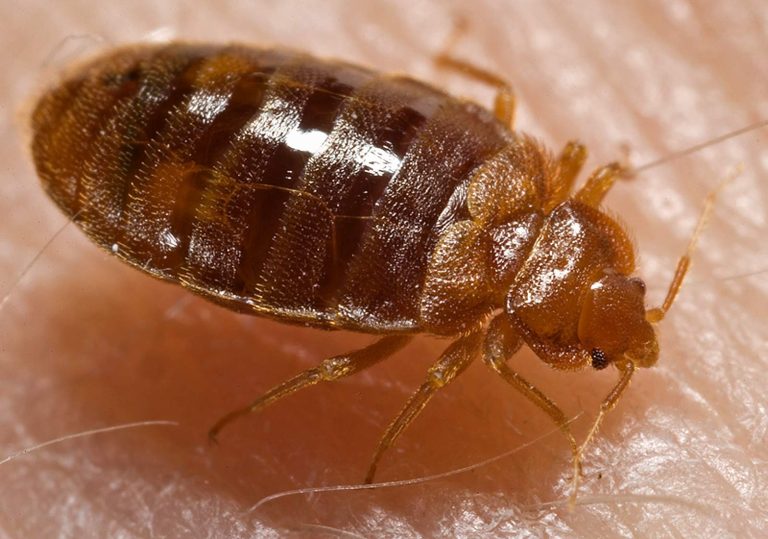
Can You Break a Lease Because of Bed Bugs? (2026)
Can you break a lease because of bed bugs? It depends entirely on your lease and local laws. Learn the general considerations, the steps to take first, and why these questions belong with an attorney or tenant resources.
Disclosure: As an Amazon Associate we earn from qualifying purchases. Some links on this page are affiliate links: they cost you nothing extra and do not change what we write. Read our affiliate disclosure.
When an infestation drags on, tenants sometimes ask: can you break a lease because of bed bugs? The honest answer is that it depends entirely on your specific lease, your local and state laws, and the facts of your situation — there is no universal yes or no, and this is fundamentally a legal question, not something a general article can decide for you. In some circumstances and jurisdictions, an unaddressed infestation may give a tenant certain options, but whether and how that applies to you is something to determine with a qualified attorney or your local tenant-rights resources.
This matters because lease and landlord-tenant law varies enormously by location, and acting on a misunderstanding — like withholding rent or moving out — can have serious consequences if it is not actually permitted in your situation. So the responsible approach is to understand the general considerations, take the right practical steps first (documentation, notice, giving the landlord a chance to remedy), and get your actual legal answers from the proper professionals before making any decision.
In this guide you will learn the general considerations around breaking a lease over bed bugs, the steps to take before considering it, what factors tend to matter, and — most importantly — where to get authoritative answers for your specific situation. We will keep the legal specifics directed to qualified professionals, and finish with a checklist. 💚
- Can You Break a Lease? Quick Answer
- It Depends on Your Lease and Local Law
- This Is Not Legal Advice
- Steps to Take First
- Steps Before Considering Breaking a Lease
- Factors That Tend to Matter
- Factors in These Situations
- Risks of Acting Without Advice
- Where to Get Real Answers
- Alternatives to Breaking a Lease
- Common Mistakes (and Fixes)
- Smart Habits
- FAQs
- Final Verdict + Checklist
Can You Break a Lease? Quick Answer
The quick answer is that it depends entirely on your specific lease, your local and state laws, and the facts of your situation — there is no universal answer, and this is a legal question that a general article cannot decide for you. In some circumstances and jurisdictions, an unaddressed infestation may give a tenant certain options, but whether and how that applies to you must be determined with a qualified attorney or your local tenant-rights resources.
So before considering breaking a lease, take the right practical steps (document, notify, give the landlord a chance to remedy) and get your actual legal answers from the proper professionals. Acting without that guidance can carry serious consequences. Our guide on landlord responsibilities covers the reporting side (and routes legal questions to professionals).
Whether you can break a lease over bed bugs depends entirely on your lease and local laws — it’s a legal question. Document, notify, give the landlord a chance to remedy, and consult an attorney or tenant resources.
It Depends on Your Lease and Local Law
The central point is that this question is governed by your lease terms and your local and state landlord-tenant laws, which vary enormously from place to place. Different jurisdictions have very different rules about a landlord’s obligations, a tenant’s remedies, what counts as an uninhabitable condition, notice requirements, and the consequences of various actions. Your lease may also contain specific provisions relevant to pests and remedies.
Because of this variation, there is simply no general answer that applies everywhere — what is permitted in one location may not be in another, and your specific lease matters. So the only way to know your actual options is to look at your particular lease and the laws that apply to you, ideally with professional help. General information can describe considerations, but it cannot substitute for your specific legal situation.
So whether you can break a lease over bed bugs depends on your specific lease and local/state law, which vary widely — there is no universal answer, only your particular situation. Our guide on renters and bed bugs covers the topic generally (and directs specifics to professionals).
This Is Not Legal Advice
It is important to be clear that this guide is general educational information, not legal advice, and it cannot tell you whether you can break your lease. Only a qualified attorney or your local tenant-rights resources, applying the actual law to your specific facts, can answer that. Anything you read in a general article should be treated as background, not as a basis for a decision with legal and financial consequences.
This distinction matters because lease and tenant law is specific and consequential. Making a major decision — like moving out or withholding rent — based on a general impression rather than actual advice for your situation can backfire badly. So treat the considerations here as a starting point for understanding, and get your real answers from professionals before acting. The stakes warrant proper advice.
So this is general information, not legal advice — only an attorney or tenant-rights resource can answer your specific question, so consult them before any decision. Our guide on when to involve professionals covers getting expert help (here, legal as well as pest).
Steps to Take First
Regardless of the eventual legal question, there are practical steps that generally make sense first. Document the infestation thoroughly (dated photos, records, a captured specimen). Notify your landlord promptly and in writing. Give the landlord a reasonable opportunity to inspect and treat, since in many situations a landlord’s failure to remedy after proper notice is relevant. Keep records of all communications and the landlord’s response.
These steps are sensible whether or not you ultimately consider breaking the lease, because they document the situation, fulfill common tenant responsibilities, and give the landlord the chance to address the problem — which is often a prerequisite before other options are even on the table. They also create the record that an attorney or tenant resource would need to advise you. So take these steps before considering anything more drastic.
So first, document, notify the landlord in writing, give them a reasonable chance to remedy, and keep records. These steps come before any consideration of breaking a lease. Our guide on reporting bed bugs covers proper notice and documentation.
Steps Before Considering Breaking a Lease
| Step | Why It Matters |
|---|---|
| Document thoroughly | Dated photos and records preserve evidence |
| Notify landlord in writing | Creates a record; often required |
| Give a chance to remedy | Landlord’s response is often relevant |
| Keep all communications | Supports any later advice or action |
| Consult an attorney/tenant resource | Get your actual legal options |
These steps come first — and the last one (professional advice) is what actually answers your question.
Factors That Tend to Matter
While the law varies, certain factors commonly come up in these situations (described generally, not as legal conclusions): whether you gave proper written notice, whether the landlord failed to remedy the problem within a reasonable time after notice, the severity of the infestation and whether it makes the unit uninhabitable under local standards, the terms of your specific lease, and the documentation you have. These tend to be relevant in many jurisdictions.
However, how these factors apply — and what options they may or may not create — is entirely dependent on your local law and lease, so they are clues to discuss with a professional, not a formula you can apply yourself. Listing them helps you understand what an attorney or tenant resource might ask about, and what to document, but it does not tell you the outcome for your situation.
So factors like proper notice, the landlord’s response, severity, lease terms, and documentation tend to matter — but only a professional can say how they apply to you. Our guide on landlord responsibilities covers these factors generally.
Factors in These Situations
| Factor | Note (discuss with a professional) |
|---|---|
| Proper written notice given | Often a prerequisite |
| Landlord’s failure to remedy | Reasonable time after notice |
| Severity / habitability | Judged by local standards |
| Specific lease terms | May contain relevant provisions |
| Your documentation | Supports any claim or action |
These are clues to discuss with an attorney or tenant resource — not a formula you can apply yourself.
Risks of Acting Without Advice
Acting on assumptions without proper advice carries real risks. Moving out before your lease allows, withholding rent when it is not permitted in your situation, or otherwise breaching the lease based on a misunderstanding can expose you to consequences — potential liability for rent, effects on your credit or rental history, or loss of a deposit — depending on the law. What feels justified may not be legally permitted in your specific circumstances.
This is precisely why getting advice before acting is so important: the consequences of a wrong move can be significant and hard to undo. A qualified attorney or tenant-rights resource can tell you what is actually permitted and what the risks are, so you make an informed decision rather than a costly mistake. So do not take drastic action based on a general impression; confirm your options first.
So acting without advice (moving out, withholding rent) can carry serious consequences if not actually permitted — confirm your options with a professional before any drastic step. Our guide on renters and bed bugs covers the cautions (and routes specifics to professionals).
Where to Get Real Answers
For your actual options, consult the right resources: a qualified attorney (especially one familiar with landlord-tenant law in your area), your local or state tenant-rights organization or housing authority, or local legal aid services if cost is a concern. These can apply the actual law to your specific lease and facts and tell you what you can and cannot do, and the risks of each option.
Bring your documentation (photos, written notices, the landlord’s responses, your lease) to whomever you consult, so they can advise based on the full picture. This is the step that actually answers the question “can I break my lease?” for your situation — general articles cannot. So make professional consultation the basis for any decision, not online generalizations.
So get real answers from a qualified attorney, tenant-rights organization, housing authority, or legal aid, bringing your documentation. They can apply the law to your situation. Our guide on documenting and reporting covers preparing your records.
Alternatives to Breaking a Lease
Breaking a lease is not the only path, and often not the first. Alternatives include pressing the landlord (in writing) to fulfill their obligation to treat, escalating through proper channels (housing authorities or tenant organizations) if the landlord fails to act, negotiating with the landlord (for treatment, temporary relocation, or a mutual agreement), and simply getting the infestation professionally treated and resolved so you can stay. Many situations are resolved through treatment rather than ending the tenancy.
Because bed bugs are treatable and do not damage the unit permanently, resolving the infestation (with the landlord arranging treatment) is frequently the practical outcome, allowing you to remain. So before considering breaking the lease, pursue getting the problem properly treated and use the available channels to compel action if needed. A professional or tenant resource can advise on these alternatives too.
So consider alternatives — compelling treatment, escalating through proper channels, negotiating, or simply resolving the infestation — before breaking a lease, since many situations resolve through treatment. Our guide on getting bed bugs treated covers resolution.
Documenting and Monitoring While You Decide
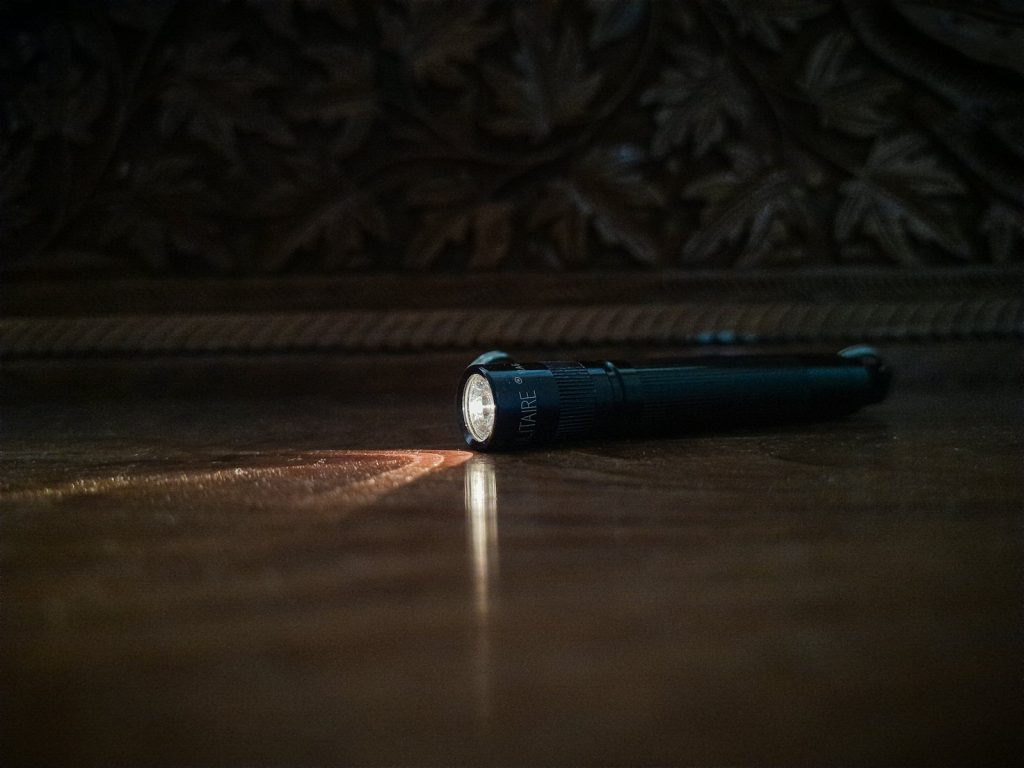
While you take the first steps and seek advice, good documentation and monitoring strengthen your position and protect your living situation. Use a bright light to inspect and photograph the infestation clearly, capturing dated images of live bugs, fecal spots, shed skins, and the affected areas. Thorough visual evidence supports any discussion with your landlord, attorney, or tenant resource, and tracks whether the problem is worsening or being addressed.
Interceptor traps under the bed and furniture legs also help: they capture bugs as objective evidence of ongoing activity (or, over time, of declining activity if treatment is working), giving you a documented record of the situation. This monitoring is useful both for your records and for limiting bites while the matter is resolved. Keeping clear evidence makes any later step — legal or practical — better supported.
So document with clear, dated photos and monitor with interceptors while you seek advice and pursue treatment. A detection flashlight (view options on Amazon) helps you find and photograph signs, and a set of interceptor traps (see options on Amazon) provides ongoing evidence of activity. Our guide on finding and documenting bed bugs covers inspection.
Common Mistakes (and Fixes)
- Mistake: Assuming you can break the lease. Fix: it depends on your lease and local law — confirm with a professional.
- Mistake: Moving out or withholding rent without advice. Fix: this can carry serious consequences — get advice first.
- Mistake: Not documenting or giving notice. Fix: document thoroughly and notify the landlord in writing first.
- Mistake: Treating a general article as legal advice. Fix: consult an attorney or tenant-rights resource for your situation.
- Mistake: Jumping to breaking the lease. Fix: pursue treatment and alternatives first.
Smart Habits
- It’s a legal question. The answer depends on your lease and local law.
- Document and notify first. Then give a chance to remedy.
- Get real advice. Attorney, tenant resource, or legal aid.
- Consider alternatives. Treatment often resolves it without ending the lease.
Whether bed bugs let you break a lease is a legal question that depends on your lease and local laws — not something a general article can answer. Document, notify, give a chance to remedy, and consult a professional before acting.
Real-Life Scenarios
The documented notice. Mara documented the infestation, notified her landlord in writing, and gave them a chance to treat — the sensible first steps, whatever she decided later.
The professional consult. Unsure of her options, Lena brought her records to a local tenant-rights organization, which advised her based on her actual lease and local law — the step that answered her question.
The resolved infestation. Rather than breaking the lease, Tom pressed the landlord to arrange professional treatment, which cleared the infestation — letting him stay without the risks of moving out.
Frequently Asked Questions
Can you break a lease because of bed bugs?
It depends entirely on your specific lease, your local and state laws, and the facts — there is no universal answer, and it is a legal question a general article cannot decide. In some circumstances and jurisdictions, an unaddressed infestation may give a tenant certain options, but whether and how that applies to you must be determined with a qualified attorney or your local tenant-rights resources. Document, notify, and give the landlord a chance to remedy first.
Is this legal advice?
No — this is general educational information, not legal advice, and it cannot tell you whether you can break your lease. Only a qualified attorney or your local tenant-rights resources, applying the actual law to your specific facts, can answer that. Treat anything in a general article as background, and get your real answers from professionals before making any decision with legal and financial consequences.
What should I do before considering breaking my lease?
Document the infestation thoroughly (dated photos, records, a captured specimen), notify your landlord promptly and in writing, give the landlord a reasonable opportunity to inspect and treat, and keep records of all communications. Then consult a qualified attorney or tenant-rights resource for your actual options. These steps come first and create the record a professional would need to advise you.
What are the risks of moving out or withholding rent?
Significant ones, if not actually permitted in your situation — moving out before your lease allows, withholding rent when not permitted, or otherwise breaching the lease based on a misunderstanding can expose you to liability for rent, effects on your credit or rental history, or loss of a deposit, depending on the law. This is why you should confirm your options with a qualified attorney or tenant resource before taking any drastic action.
Where can I get real answers about my lease and bed bugs?
From a qualified attorney familiar with landlord-tenant law in your area, your local or state tenant-rights organization or housing authority, or local legal aid services if cost is a concern. Bring your documentation (photos, written notices, the landlord’s responses, your lease) so they can advise based on the full picture and your specific local law — which is what actually answers the question for your situation.
Are there alternatives to breaking the lease?
Yes — alternatives include pressing the landlord in writing to fulfill their obligation to treat, escalating through proper channels (housing authorities or tenant organizations) if they fail to act, negotiating (for treatment, temporary relocation, or a mutual agreement), or simply getting the infestation professionally treated so you can stay. Because bed bugs are treatable, many situations resolve through treatment rather than ending the tenancy.
Final Verdict + Checklist
Can you break a lease because of bed bugs? It depends entirely on your specific lease, your local and state laws, and the facts of your situation — there is no universal answer, and this is a legal question that only a qualified attorney or your local tenant-rights resources can answer for you, not a general article. This guide is general information, not legal advice. Before considering anything drastic, take the sensible first steps: document the infestation thoroughly, notify your landlord promptly and in writing, give them a reasonable chance to remedy it, and keep records of everything. Understand that acting without advice — moving out or withholding rent — can carry serious consequences if not actually permitted. Consult an attorney, tenant-rights organization, or legal aid for your real options, and consider alternatives like compelling treatment, which often resolves the situation without ending the lease. Get professional advice before any decision.
- Know it depends on your lease and local/state law
- Treat general articles as background, not legal advice
- Document the infestation thoroughly with dates
- Notify your landlord promptly and in writing
- Give the landlord a reasonable chance to remedy
- Keep records of all communications
- Consult an attorney, tenant-rights resource, or legal aid
- Consider alternatives like compelling treatment first
This guide is educational and general. It is NOT legal advice and cannot tell you whether you can break your lease — that depends on your specific lease, local and state laws, and facts, which vary widely. For any lease, tenant-rights, or liability question, consult a qualified attorney or your local tenant-rights resources. For established infestations, consider a licensed professional. Some links may earn us a small commission at no extra cost to you.
Further reading from public agencies
These are United States agencies. If you are elsewhere, check your national or local public-health or pest-control authority. This article is general information, not medical advice or a diagnosis.