How Much Does a Bed Bug Inspection Cost? (2026)
How much does a bed bug inspection cost? It ranges from free to a few hundred dollars depending on visual vs canine inspection, property size, and the company. Learn what affects the price and how to save.

Disclosure: As an Amazon Associate we earn from qualifying purchases. Some links on this page are affiliate links: they cost you nothing extra and do not change what we write. Read our affiliate disclosure.
Before committing to treatment, many people want to know: how much does a bed bug inspection cost? The short answer is that it ranges widely — from free (often offered with the expectation you may buy treatment) to roughly a hundred or a few hundred dollars for a paid professional inspection, with canine (bed-bug-dog) inspections and larger properties at the higher end. The exact price depends on the inspection type, the size and number of rooms, your location, and the company, so quotes vary considerably.
This matters because an inspection is often the first step in confirming bed bugs, and knowing the typical cost range helps you budget and compare options without overpaying or skipping a worthwhile service. Some companies offer free inspections (especially if treatment may follow), while independent, third-party, or canine inspections are typically paid. Understanding what drives the price — and what you get — helps you choose wisely.
In this guide you will learn the typical cost range for a bed bug inspection, what affects the price, the difference between free and paid and visual versus canine inspections, what an inspection includes, and how to get value. We will use clear tables and finish with a printable checklist. Note that all figures are general ranges; always get local quotes. 💚
- How Much Does It Cost? Quick Answer
- The Typical Cost Range
- What Affects the Price
- Cost Factors at a Glance
- Free vs Paid Inspections
- Visual vs Canine Inspections
- Inspection Types and Typical Cost
- What an Inspection Includes
- Is a Paid Inspection Worth It?
- How to Get Value
- Inspecting Yourself First
- Common Mistakes (and Fixes)
- Expert Pro Tips
- FAQs
- Final Verdict + Checklist
How Much Does It Cost? Quick Answer
The quick answer is that a bed bug inspection can cost anywhere from free to roughly a hundred or a few hundred dollars, depending on the type and your situation. Many pest control companies offer a free visual inspection, often with the expectation that you may purchase treatment if bed bugs are found. Independent or third-party inspections, and especially canine (bed-bug-dog) inspections, are usually paid and sit at the higher end of the range. Larger properties and certain locations cost more.
So there is no single price — it depends on whether the inspection is free or paid, visual or canine, and the size of the property and your region. Always get quotes from a few licensed local providers to compare. These are general ranges, not guaranteed prices. Our guide on bed bug treatment cost covers the cost of treatment that may follow.
A bed bug inspection ranges from free (often with treatment expected) to a few hundred dollars for a paid or canine inspection. Type, property size, and location drive the price — always get local quotes.
The Typical Cost Range
In broad terms, a basic visual inspection from a pest control company is often free or low-cost, particularly when offered as a precursor to potential treatment. A standalone paid visual inspection, where charged, commonly falls in the lower-to-mid range (often around tens to low hundreds of dollars). A canine inspection, which uses a trained dog to detect bed bugs, typically costs more — often in the higher range — reflecting the specialized training and service.
Larger homes, multiple units, or commercial spaces cost more than a single room or small apartment, since more area takes more time. Some companies credit the inspection fee toward treatment if you proceed. Because these figures vary so much by region and provider, treat them as general guidance and rely on actual local quotes for accurate numbers.
So the range spans free (basic visual, often pre-treatment) to a few hundred dollars (paid or canine, larger properties), with most paid visual inspections in between. Local quotes give you the real figure. Our guide on choosing an exterminator covers comparing providers.
What Affects the Price
Several factors drive inspection cost. The inspection type matters most: free pre-treatment visual versus paid standalone versus canine. Property size and complexity — number of rooms, units, or square footage — affects the time and therefore the price. Your location influences cost due to regional pricing and demand. And the company’s pricing model (some bundle inspection with treatment, some charge separately, some credit the fee toward treatment) shapes what you pay.
Whether the inspection is independent (third-party, not tied to selling you treatment) also affects both price and perspective — independent inspections are usually paid but offer an unbiased assessment. Add-ons like a written report, follow-up inspection, or documentation for a landlord or legal purpose can add to the cost. Urgency or after-hours service may also raise the price.
So price depends on type, property size, location, company model, independence, and any add-ons. Knowing these factors helps you understand a quote and compare fairly. Our guide on when to call a professional covers the decision.
Cost Factors at a Glance
| Factor | Lower Cost | Higher Cost |
|---|---|---|
| Type | Free pre-treatment visual | Canine or independent paid |
| Property size | One room / small apartment | Large home / multiple units |
| Independence | Tied to a treatment quote | Third-party, unbiased |
| Add-ons | Verbal findings | Written report, documentation |
| Timing | Standard scheduling | Urgent / after-hours |
Type, size, and independence are the biggest price drivers — always compare local quotes.
Free vs Paid Inspections
Free inspections are commonly offered by pest control companies, usually as a first step toward selling treatment — the inspector confirms whether you have bed bugs and then quotes treatment. These are genuinely useful for confirmation at no upfront cost, but keep in mind the company has an interest in finding work, so a second opinion can help for big decisions. Free inspections are typically visual.
Paid inspections include standalone visual inspections (where a company charges for the assessment itself) and independent or canine inspections. Paying for an independent, third-party inspection gets you an assessment from someone not trying to sell you treatment, which can be valuable for an unbiased confirmation — for instance, before signing a lease, after treatment to verify success, or in a dispute. Canine inspections are paid and specialized.
So free inspections (usually visual, pre-treatment) confirm bed bugs at no upfront cost but come from companies that may sell treatment; paid inspections (standalone, independent, or canine) cost more but can offer unbiased or specialized assessment. Choose based on your need. Our guide on bed bug dogs covers canine inspections.
Visual vs Canine Inspections
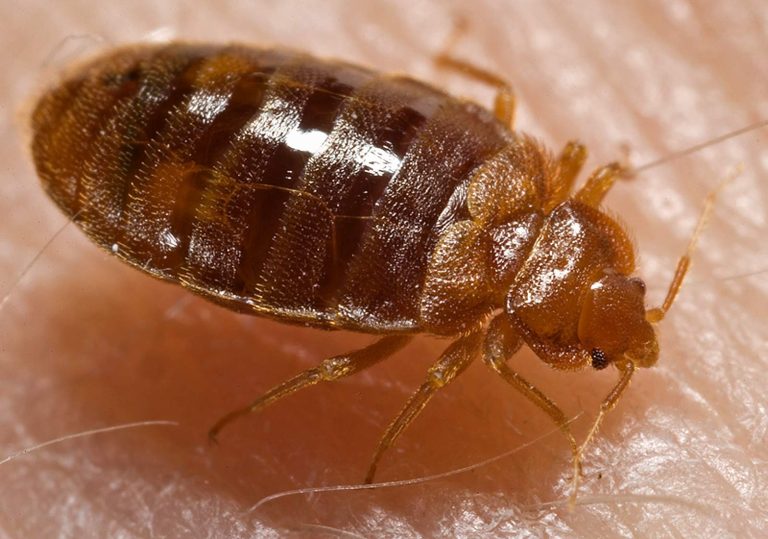
A visual inspection has a trained inspector examine the likely harborages — mattress, frame, furniture seams, baseboards, and crevices — for live bugs, eggs, shed skins, and fecal spots. It is the standard method and is what most free and many paid inspections provide. Its thoroughness depends on the inspector’s skill and how hidden the bugs are.
A canine inspection uses a dog trained to detect the scent of bed bugs, which can find infestations that are hidden or in early stages, sometimes more quickly and in spots a visual check might miss. Canine inspections are typically more expensive due to the specialized training and handling, and are often used for confirmation, large properties, or hard-to-detect cases. A canine alert is usually confirmed visually.
So visual inspections are standard and often free or lower-cost, while canine inspections are specialized, typically pricier, and useful for hidden or hard-to-confirm infestations. The choice depends on your situation and budget. Our guide on finding bed bugs covers visual signs.
Inspection Types and Typical Cost
| Inspection Type | Typical Cost (general) |
|---|---|
| Free visual (pre-treatment) | Free |
| Standalone paid visual | Lower-to-mid range |
| Independent third-party | Mid range |
| Canine (bed-bug-dog) | Higher range |
| Large property / multi-unit | Higher (scales with size) |
General ranges only — actual prices vary by region and provider, so get local quotes.
What an Inspection Includes
A professional inspection typically includes a systematic examination of the rooms and likely harborages — beds, mattresses, frames, furniture, baseboards, and crevices — for signs of bed bugs, followed by the inspector telling you whether bed bugs were found and where. Many provide a recommendation for next steps, and some include a written report documenting the findings, which is useful for landlords, leases, or disputes.
A canine inspection includes the dog scenting the areas, with the handler noting alerts (usually confirmed visually). The scope — how many rooms or units, whether a report is provided, and whether a follow-up is included — varies by provider and price, so ask what is covered. Confirm whether the fee is credited toward treatment if you proceed.
So an inspection includes examining harborages for signs, reporting findings and next steps, and sometimes a written report or follow-up. Ask each provider exactly what is included so you can compare. Our guide on inspecting a mattress covers what inspectors look for.
Is a Paid Inspection Worth It?
A paid inspection is often worth it when you need an unbiased or specialized assessment: confirming an infestation before signing a lease or buying a home, verifying that treatment succeeded, resolving a dispute, or detecting a hidden or early infestation a visual check might miss (where canine detection shines). The cost buys confidence and documentation that can prevent far larger expenses later.
For a straightforward situation where you just want to confirm visible bed bugs, a free visual inspection (or your own careful inspection) may be sufficient, and paying may not be necessary. So the value depends on your need: pay for independence, documentation, or specialized detection; rely on free or self-inspection for simple confirmation. Weigh the cost against what is at stake.
So a paid inspection is worth it for unbiased confirmation, verification, documentation, or hard-to-detect cases, while a free or self-inspection suffices for simple confirmation. Match the inspection to the stakes. Our guide on verifying bed bugs are gone covers post-treatment confirmation.
How to Get Value
To get value, get quotes from several licensed local providers and compare what is included, not just the price. Ask whether the inspection is free, whether the fee is credited toward treatment, and what the scope and any report cover. Consider an independent inspection when you need an unbiased opinion, and a canine inspection when detection is difficult or the stakes are high.
You can also reduce costs by doing a careful self-inspection first (covered next) to decide whether a professional inspection is needed, and by preparing the space (decluttering) so the inspection is efficient. Check that any provider is licensed and reputable, and read reviews. Combining a smart choice of inspection type with comparison shopping gets you the right service at a fair price.
So compare local quotes and inclusions, choose the inspection type that fits your need, self-inspect first to gauge necessity, and verify the provider’s credentials. These steps get you value. A detection flashlight (view options on Amazon) aids a self-inspection first. Our guide on choosing a provider covers vetting.
Inspecting Yourself First
A careful self-inspection can confirm obvious bed bugs and help you decide whether to pay for a professional inspection. With a bright flashlight, check the mattress seams, box spring, bed frame, headboard, nearby furniture, and baseboards for live bugs, pale eggs, shed skins, and dark fecal spots. Interceptor traps under the bed legs also help detect activity over time.
If your self-inspection clearly finds bed bugs, you may move straight to arranging treatment (often with a free company inspection to confirm and quote). If you find ambiguous signs or suspect a hidden infestation, a professional — possibly canine — inspection adds certainty. So self-inspection is a low-cost first step that informs whether and what kind of paid inspection you need.
So inspect yourself first with a flashlight and interceptors to confirm obvious bed bugs and gauge the need for a professional inspection. It is a free first step. A set of interceptor traps (see options on Amazon) helps detect activity. Our guide on finding bed bugs yourself covers self-inspection.
Inspection Cost vs Treatment Cost
It helps to see the inspection cost in the context of treatment cost, since the inspection is usually just the first step. Treatment for bed bugs generally costs considerably more than an inspection — often ranging into the hundreds or more per room, and higher for whole-home heat treatment — so the inspection is a small fraction of the total potential spend. This is why many companies offer the inspection free or credit it toward treatment: it is a gateway to the larger job.
Because the inspection is comparatively inexpensive, it rarely makes sense to skip a needed inspection to save money — confirming whether and where you have bed bugs guides an effective (and not overly broad) treatment, which can save money overall. An accurate inspection prevents both unnecessary treatment (if you do not actually have bed bugs) and incomplete treatment (if some areas are missed).
So view the inspection as a low-cost, high-value step relative to treatment, often free or credited, that guides the larger spend wisely. Spending a little on a good inspection can save a lot on treatment. Our guide on bed bug treatment cost covers the larger figure the inspection leads into.
Who Pays for the Inspection?
Who pays for a bed bug inspection depends on your situation. If you own your home, you typically arrange and pay for it (or use a free company inspection). If you rent, responsibility for inspection and treatment can fall to the landlord under many leases and local rules, so reporting the issue and asking the landlord to arrange an inspection may be appropriate — though the specifics depend on your lease and local laws, which vary.
For tenants, it is generally wise to report a suspected infestation promptly and in writing and to ask who is responsible for the inspection before paying out of pocket. In some cases a tenant may choose to pay for an independent inspection to document the situation. Because rules differ by location, check your lease and consult appropriate local resources rather than assuming who pays.
So who pays varies: homeowners arrange it themselves, while renters may have the landlord responsible — check your lease and local resources. Reporting promptly and in writing is generally wise for tenants. Our guide on landlords and bed bugs covers responsibility (and points legal questions to proper resources).
Common Mistakes (and Fixes)
- Mistake: Assuming one fixed price. Fix: costs range from free to a few hundred dollars — get local quotes.
- Mistake: Comparing only price, not inclusions. Fix: compare scope, reports, and whether the fee credits toward treatment.
- Mistake: Skipping a self-inspection. Fix: self-inspect first to gauge whether you need a paid inspection.
- Mistake: Relying only on a company that sells treatment. Fix: consider an independent inspection for unbiased confirmation.
- Mistake: Paying for canine when visual suffices. Fix: match the inspection type to your actual need.
Expert Pro Tips
- Get several quotes. Prices vary widely by provider and region.
- Ask what is included. Scope, report, and treatment credit matter.
- Self-inspect first. It is free and informs your decision.
- Pay for independence when it counts. Leases, verification, disputes.
A bed bug inspection can be free or cost a few hundred dollars — it all depends on type, size, and location. Self-inspect first, get several quotes, and pay for independence or canine detection when the stakes are high.
Real-Life Scenarios
The free confirmation. Spotting clear signs, Ana got a free company inspection that confirmed bed bugs and quoted treatment — no upfront cost for the confirmation.
The lease check. Before signing a lease, Ben paid for an independent inspection for an unbiased assessment — worth it to avoid moving into an infested unit.
The hidden case. Unsure despite bites, Priya hired a canine inspection that found a hidden, early infestation a quick visual check had missed — the specialized detection paid off.
Frequently Asked Questions
How much does a bed bug inspection cost?
It ranges from free to roughly a hundred or a few hundred dollars. Many pest control companies offer a free visual inspection (often expecting you may buy treatment), while standalone paid, independent, and especially canine inspections cost more, and larger properties cost more. Prices vary widely by type, size, location, and company, so always get quotes from licensed local providers.
Are bed bug inspections free?
Often, yes — many pest control companies provide a free visual inspection, usually as a first step toward selling treatment if bed bugs are found. These confirm an infestation at no upfront cost, but because the company may sell you treatment, a second opinion or independent inspection can help for big decisions. Independent and canine inspections are usually paid.
Why do canine inspections cost more?
Canine inspections use a dog specially trained to detect the scent of bed bugs, which can find hidden or early infestations a visual check might miss. The specialized training, handling, and service make them more expensive than a standard visual inspection. They are often used for confirmation, large properties, or hard-to-detect cases, with alerts usually confirmed visually.
Is a paid bed bug inspection worth it?
It can be — a paid inspection is worth it when you need an unbiased or specialized assessment: confirming bed bugs before signing a lease or buying a home, verifying treatment worked, resolving a dispute, or detecting a hidden infestation (where canine detection helps). For simply confirming visible bed bugs, a free or self-inspection may be enough.
What does a bed bug inspection include?
Typically a systematic examination of rooms and likely harborages (beds, mattresses, frames, furniture, baseboards, crevices) for signs of bed bugs, followed by the inspector reporting whether and where bed bugs were found and recommending next steps. Some include a written report, useful for landlords or disputes. Scope varies by provider, so ask what is covered and whether a follow-up is included.
Can I inspect for bed bugs myself first?
Yes — a careful self-inspection with a bright flashlight of the mattress seams, box spring, frame, headboard, nearby furniture, and baseboards, plus interceptor traps under the bed legs, can confirm obvious bed bugs and help you decide whether to pay for a professional inspection. It is a free first step that informs whether and what kind of paid inspection you need.
Final Verdict + Checklist
How much does a bed bug inspection cost? It ranges from free to a few hundred dollars, depending on the type (free pre-treatment visual, paid standalone, independent, or canine), the property size, your location, and the company. Many companies offer a free visual inspection as a step toward treatment, while independent and canine inspections are paid and sit at the higher end. To get value, self-inspect first with a flashlight and interceptors, get quotes from several licensed local providers, compare what is included (scope, report, treatment credit), and pay for an independent or canine inspection when the stakes are high — a lease, verification, a dispute, or a hidden infestation. All figures are general ranges, so always rely on local quotes for accurate pricing.
- Expect a range from free to a few hundred dollars
- Know free visual inspections often precede a treatment quote
- Understand canine and independent inspections cost more
- Self-inspect first with a flashlight and interceptors
- Get quotes from several licensed local providers
- Compare scope, reports, and treatment credit — not just price
- Pay for independence or canine detection when stakes are high
- Verify the provider is licensed and reputable
This guide is educational and does not provide financial advice or guaranteed pricing. Costs vary widely by region, company, and property; always get quotes from licensed local providers. For established infestations, consider a licensed professional. Some links may earn us a small commission at no extra cost to you.
Further reading from public agencies
- EPA: Do-it-yourself bed bug control
- EPA: Pesticides for bed bug control
- EPA: Safety issues in controlling bed bugs
- EPA: Integrated pest management for bed bugs
These are United States agencies. If you are elsewhere, check your national or local public-health or pest-control authority. This article is general information, not medical advice or a diagnosis.