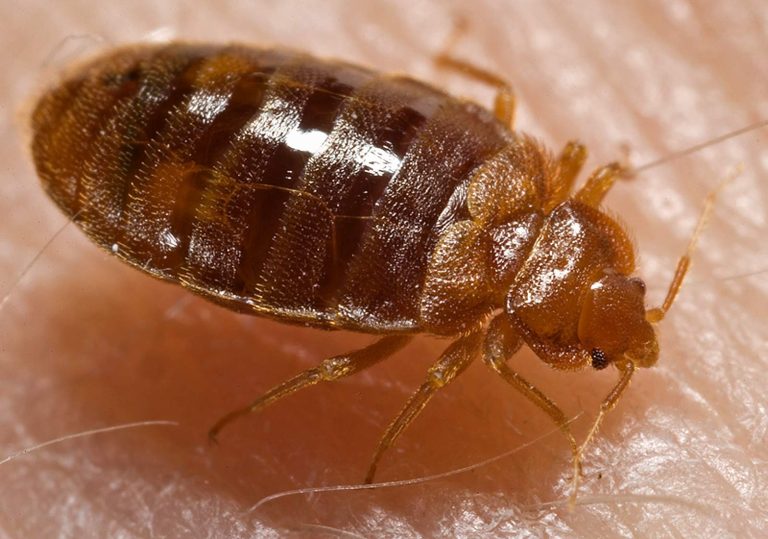
Do Bed Bugs Affect Property Value? (2026)
Do bed bugs affect property value? An active infestation can affect sale-ability and perception, but treated bed bugs rarely permanently lower value. Learn the nuanced picture and where to get professional advice.
Disclosure: As an Amazon Associate we earn from qualifying purchases. Some links on this page are affiliate links: they cost you nothing extra and do not change what we write. Read our affiliate disclosure.
Owners and buyers often worry: do bed bugs affect property value? The short and reassuring answer is that bed bugs are generally a temporary, treatable problem rather than a permanent stain on a property’s value — unlike structural damage, bed bugs do not harm the building itself, and a properly treated property can return to normal. That said, an active, untreated infestation can affect a sale, perception, and short-term marketability, and matters like disclosure and reputation play a role. So the honest picture is nuanced: short-term impact possible, permanent loss unlikely with proper treatment.
This matters because fear of property-value loss can cause people to hide infestations or panic, when the reality is that bed bugs — properly handled — rarely cause lasting financial harm to a property, while mishandling them (hiding, ignoring, or spreading) can cause more reputational and practical damage than the bugs themselves. Understanding the difference helps owners respond sensibly: treat thoroughly, handle disclosure properly, and move on.
In this guide you will learn how bed bugs relate to property value, the difference between active and treated infestations, the role of disclosure and reputation, how rentals versus sales differ, and where to get professional advice. We will keep it general and non-legal, and finish with a checklist. Always consult qualified professionals for your specific situation. 💚
- Do Bed Bugs Affect Value? Quick Answer
- Bed Bugs Don’t Damage the Building
- Active vs Treated Infestations
- Active vs Treated: Impact
- Perception and Reputation
- Disclosure and Honesty
- Rentals vs Sales
- How to Protect Your Property’s Value
- If You’re Buying
- Where to Get Professional Advice
- Common Mistakes (and Fixes)
- Smart Habits
- FAQs
- Final Verdict + Checklist
Do Bed Bugs Affect Value? Quick Answer
The quick answer is that bed bugs are generally a temporary, treatable problem that rarely permanently lowers a property’s value — they do not damage the building itself, and a properly treated property can return to normal. However, an active, untreated infestation can affect a sale, short-term marketability, and perception, and disclosure and reputation matter. So the impact is real but usually short-term and reversible with proper treatment, not a permanent loss like structural damage would be.
This means the sensible response is to treat thoroughly and handle disclosure properly rather than panic or hide the problem. Because property value, disclosure rules, and liability vary by location and situation, consult a qualified real estate agent, appraiser, and attorney for your specifics. Our guide on getting rid of bed bugs covers the treatment that restores normalcy.
Bed bugs rarely permanently lower property value — they don’t damage the building and are treatable. An active infestation can affect a sale short-term, but proper treatment and honest disclosure restore normalcy.
Bed Bugs Don’t Damage the Building
A key reason bed bugs differ from many property problems is that they do not damage the structure. Unlike termites (which damage wood), water damage, mold, or foundation issues, bed bugs feed on blood, not the building, so they cause no structural harm to the property itself. They are a pest occupancy issue, not a building-integrity issue, which is fundamentally why they are temporary and treatable.
This distinction matters for value because the things that permanently lower property value are usually lasting physical damage or defects, which bed bugs do not cause. Once an infestation is treated and gone, the property is physically unchanged — there is no lingering damage to repair or disclose as a structural defect. The problem is the infestation, and the infestation can be eliminated.
So bed bugs do not harm the building, which is why they are a treatable, temporary issue rather than a source of permanent value loss. This is the foundation of the reassuring answer. Our guide on whether bed bugs are dangerous covers their (non-structural) impact.
Active vs Treated Infestations
The big distinction for value is active versus treated. An active, untreated infestation can affect a property in the short term: it may complicate or delay a sale or rental, deter some buyers or tenants, require disclosure (depending on local rules), and need treatment before the property shows well. During this active phase, marketability can genuinely suffer.
A treated, resolved infestation is a very different situation: with the bugs eliminated and the property restored, the temporary impact fades, and the property can return to its normal value and marketability. Documentation of professional treatment can reassure buyers or tenants. So the value impact is largely tied to whether the infestation is active or has been properly resolved.
So an active infestation can have a short-term impact, while a treated one generally does not cause lasting harm. Resolving the infestation is what removes the value concern. Our guide on confirming bed bugs are gone covers verifying resolution.
Active vs Treated: Impact
| Aspect | Active Infestation | Treated/Resolved |
|---|---|---|
| Structural damage | None | None |
| Short-term marketability | Can be affected | Returns to normal |
| Disclosure relevance | Often relevant | Varies — ask a professional |
| Buyer/tenant perception | Can deter | Reassured by documentation |
| Permanent value loss | Unlikely if treated | Unlikely |
The impact is mostly short-term and tied to an active infestation — proper treatment restores normalcy.
Perception and Reputation
Even though bed bugs cause no structural harm, perception and reputation can have a short-term effect, especially for businesses and rentals. A property known to have had bed bugs may face temporary stigma, and for hotels, landlords, or businesses, public reviews or word-of-mouth can affect bookings or interest in the near term. This reputational effect is usually temporary and manageable with proper handling.
For a private home sale, perception matters mainly during an active infestation; once treated and disclosed appropriately, most buyers understand that bed bugs are a common, treatable issue without lasting consequences. Handling the situation transparently and professionally — treating thoroughly and documenting it — limits reputational impact, while hiding or mishandling it can amplify it if discovered.
So perception and reputation can cause short-term effects, particularly for rentals and businesses, but are manageable with transparent, professional handling. Reputation recovers as the issue is resolved. Our guide on handling disclosure to others covers communication.
Disclosure and Honesty
Disclosure is an important and location-specific aspect. Whether, when, and how you must disclose a current or past bed bug infestation when selling or renting depends on local laws and regulations, which vary widely — so this is a question for a qualified real estate agent and attorney, not something to guess at. Many places have rules about disclosing known material issues, and rental disclosure rules differ by jurisdiction.
Beyond legal requirements, honesty is generally the wise policy: hiding a known infestation can lead to bigger problems — loss of trust, disputes, or liability — if discovered later, often outweighing any short-term advantage. Disclosing a treated infestation with documentation of professional treatment can actually reassure buyers or tenants. So handle disclosure both lawfully (per professional advice) and honestly.
So follow local disclosure rules (confirmed with a real estate agent and attorney) and lean toward honesty, since hiding issues tends to backfire. Disclosure done right, with treatment documentation, builds trust. Our guide on landlord responsibilities covers rental obligations (and points legal questions to proper resources).
Rentals vs Sales
Rentals and sales differ in how bed bugs affect them. For rentals, an active infestation can affect tenant retention and attraction in the short term, and landlords typically have responsibilities to treat (varying by location); the impact is mostly on occupancy and reputation, not on the property’s underlying value, and resolves with treatment. Ongoing prevention and prompt response protect a rental’s standing.
For sales, an active infestation can complicate a transaction and require disclosure, but a treated, documented infestation generally does not permanently reduce the sale value, since the property is physically unchanged and the issue resolved. In both cases, the practical effects are short-term and tied to the active phase, and proper treatment plus appropriate disclosure restores the situation.
So both rentals and sales see mostly short-term, active-phase effects — on occupancy/reputation for rentals and on transaction smoothness/disclosure for sales — with proper treatment restoring normalcy. Consult professionals for the specifics of each. Our guide on renters and bed bugs covers the rental side.
How to Protect Your Property’s Value
To protect your property’s value, treat any infestation thoroughly and promptly (ideally with a professional), document the treatment, and handle disclosure properly per professional advice. Prompt, complete treatment shortens the active phase that causes short-term impact, and documentation reassures future buyers or tenants. Ongoing prevention — monitoring, encasements, and good practices — reduces the chance of recurrence.
For rentals and businesses, responsive handling and prevention protect reputation and occupancy. Avoid the temptation to hide or delay, which can worsen both the infestation and any reputational or legal exposure. Keeping records of inspections and treatments demonstrates responsible handling. The goal is to resolve the issue completely and be able to show it was handled properly.
So protect value by treating promptly and thoroughly, documenting it, disclosing appropriately, and maintaining prevention. Responsible handling limits short-term impact and prevents lasting harm. Monitoring with interceptor traps (view options on Amazon) supports ongoing prevention. Our guide on preventing bed bugs covers protection.
If You’re Buying
If you are buying a property and bed bugs are a concern, a pre-purchase inspection (including a possible canine inspection) can confirm whether bed bugs are present, giving you information before you commit. Finding bed bugs is not necessarily a deal-breaker, since they are treatable, but it is something to factor into negotiations and to address (with the seller, or via treatment) before or after purchase.
Because the property itself is not damaged by bed bugs, a treatable infestation found before buying is usually a manageable issue rather than a reason to walk away — though you may negotiate treatment or terms. For specifics on disclosure, liability, and negotiation, consult your real estate agent and attorney. An inspection gives you the facts to make an informed decision.
So if buying, get an inspection to confirm the situation, treat a found infestation as manageable (and negotiable) rather than a deal-breaker, and consult your agent and attorney for specifics. Information lets you decide wisely. Our guide on checking before moving in covers pre-move inspection.
Where to Get Professional Advice
Because property value, disclosure, and liability are specific and location-dependent, the right move for real decisions is to consult qualified professionals: a real estate agent for marketability and pricing, an appraiser for value questions, an attorney for disclosure and legal obligations, and a licensed pest professional for inspection and treatment. This guide offers general context, not advice for your specific situation.
Relying on professionals ensures you handle the financial, legal, and pest aspects correctly for your jurisdiction and circumstances, rather than guessing. They can tell you what disclosure is required, how (if at all) a past infestation affects your specific transaction, and how to document treatment. The pest professional resolves the infestation; the others handle the property and legal sides.
So consult a real estate agent, appraiser, attorney, and pest professional for your specific situation — this guide is general context only. The right experts give you accurate, situation-specific guidance. Our guide on when to call a pest professional covers the treatment side.
Bed Bugs vs Other Property Issues
It helps to compare bed bugs with the kinds of problems that genuinely affect property value long-term. Issues like termite damage, water damage, mold, foundation problems, or roof failure involve lasting physical harm to the structure that costs money to repair and can reduce value until fixed. Bed bugs are categorically different — they are a treatable occupancy problem with no structural component.
| Issue | Structural Damage? | Value Impact |
|---|---|---|
| Bed bugs | None | Mostly short-term, reversible |
| Termites | Yes — wood damage | Can be lasting until repaired |
| Water damage / mold | Yes | Can be lasting until remediated |
| Foundation problems | Yes | Often significant |
| Roof failure | Yes | Significant until repaired |
Bed bugs sit apart from structural problems — treatable, with no lasting damage to the building.
This comparison underscores why bed bugs, while a real nuisance and a short-term marketability concern, do not belong in the same category as damage-causing problems. The fix for bed bugs is treatment, not structural repair, and once treated, the property carries no physical legacy of the infestation. That is the central reason the value impact is temporary rather than permanent.
Keep Records of Treatment
One practical step that protects value is keeping good records of any inspection and treatment. Documentation from a licensed pest professional — showing the infestation was identified, treated, and verified resolved — reassures future buyers, tenants, or your own peace of mind, and demonstrates responsible handling. These records turn a treated infestation from an unknown into a documented, resolved event.
Records also help with disclosure done right: if you need to disclose a past infestation, being able to show it was professionally treated and confirmed gone reframes it from a worry into evidence of proper care. Ongoing monitoring records (for example, regular interceptor checks) further demonstrate that the issue stayed resolved. Good documentation is a small effort that supports both trust and value.
So keep records of inspections, treatments, and monitoring to reassure others and demonstrate responsible handling. Documentation supports proper disclosure and protects value. A set of bed bug monitors (see options on Amazon) provides ongoing records of a clear property. Our guide on confirming bed bugs are gone covers verification.
Common Mistakes (and Fixes)
- Mistake: Assuming bed bugs permanently tank value. Fix: they don’t damage the building and are treatable — impact is mostly short-term.
- Mistake: Hiding a known infestation. Fix: handle disclosure honestly and per professional advice; hiding tends to backfire.
- Mistake: Panicking and underselling. Fix: treat thoroughly, document it, and consult a real estate professional.
- Mistake: Guessing at disclosure rules. Fix: confirm with a real estate agent and attorney for your location.
- Mistake: Walking away from a treatable issue when buying. Fix: factor it into negotiation; it is usually manageable.
Smart Habits
- Remember: no structural damage. Bed bugs don’t harm the building.
- Treat and document. Resolution plus records restores normalcy.
- Disclose properly and honestly. Per professional advice.
- Consult the right experts. Agent, appraiser, attorney, pest pro.
Bed bugs are a treatable occupancy problem, not building damage — so they rarely cause permanent value loss. Treat thoroughly, document it, disclose properly, and the short-term impact fades.
Real-Life Scenarios
The treated sale. Before selling, Dana had a professional treat and document an infestation; with the issue resolved and disclosed, the sale proceeded normally — no lasting value hit.
The hidden problem. Someone who hid a known infestation faced a dispute when it was discovered later — the cover-up caused more harm than the treatable bugs would have.
The informed buyer. Finding bed bugs in a pre-purchase inspection, Raj negotiated treatment rather than walking away — a manageable, treatable issue, not a deal-breaker.
Frequently Asked Questions
Do bed bugs affect property value?
Generally not permanently — bed bugs do not damage the building and are treatable, so a properly treated property returns to normal value. An active, untreated infestation can affect a sale, short-term marketability, and perception, and disclosure matters, but the impact is mostly short-term and reversible. For your specific situation, consult a real estate agent, appraiser, and attorney.
Do I have to disclose bed bugs when selling or renting?
It depends on your location and situation — disclosure rules for current or past infestations vary widely by jurisdiction, so this is a question for a qualified real estate agent and attorney, not something to guess at. Beyond legal requirements, honesty is generally wise, since hiding a known infestation can lead to disputes or liability if discovered later. Documentation of treatment can reassure buyers or tenants.
Do bed bugs cause permanent damage to a home?
No — bed bugs feed on blood, not the building, so they cause no structural damage, unlike termites, water, or mold. Once an infestation is treated and gone, the property is physically unchanged. This is the key reason bed bugs are a temporary, treatable issue rather than a source of permanent value loss.
Should I buy a house that had bed bugs?
A past, treated infestation generally is not a reason to avoid a property, since bed bugs cause no structural damage and are treatable. For an active infestation found during a pre-purchase inspection, treat it as a manageable, negotiable issue rather than a deal-breaker. Consult your real estate agent and attorney for disclosure and negotiation specifics, and a pest professional for treatment.
Can bed bugs hurt a rental business or hotel’s reputation?
In the short term, yes — reviews or word-of-mouth about an active infestation can affect bookings or tenant interest temporarily. But this reputational effect is usually manageable with prompt, transparent, professional handling and prevention, and it recovers as the issue is resolved. Hiding or mishandling an infestation tends to amplify reputational harm if discovered.
How do I protect my property’s value from bed bugs?
Treat any infestation promptly and thoroughly (ideally with a professional), document the treatment, handle disclosure properly per professional advice, and maintain prevention (monitoring, encasements, good practices). Prompt, complete treatment shortens the active phase that causes short-term impact, and documentation reassures future buyers or tenants. Avoid hiding or delaying, which can worsen the situation.
Final Verdict + Checklist
Do bed bugs affect property value? Generally not permanently. Because bed bugs feed on blood and not the building, they cause no structural damage and are a temporary, treatable problem — so a properly treated property returns to its normal value. An active, untreated infestation can affect a sale, short-term marketability, perception, and (for rentals and businesses) reputation, and disclosure is a real, location-specific consideration. But these effects are mostly short-term and reversible with prompt, thorough treatment and honest, lawful disclosure. Treat completely, document it, disclose properly per professional advice, and maintain prevention — and consult a real estate agent, appraiser, attorney, and pest professional for your specific situation. Handled responsibly, bed bugs rarely leave a lasting mark on a property’s value.
- Know bed bugs cause no structural damage to the building
- Understand the impact is mostly short-term and active-phase
- Treat any infestation promptly and thoroughly
- Document professional treatment for reassurance
- Handle disclosure honestly and per professional advice
- Confirm disclosure/liability rules with an agent and attorney
- For buyers, inspect first and treat findings as negotiable
- Maintain prevention and monitoring going forward
This guide is educational and general. It is NOT financial, real estate, or legal advice. Property value, disclosure rules, and liability vary by location and situation — consult a qualified real estate agent, appraiser, and attorney for your specific case. For infestations, consider a licensed pest professional. Some links may earn us a small commission at no extra cost to you.
Further reading from public agencies
These are United States agencies. If you are elsewhere, check your national or local public-health or pest-control authority. This article is general information, not medical advice or a diagnosis.