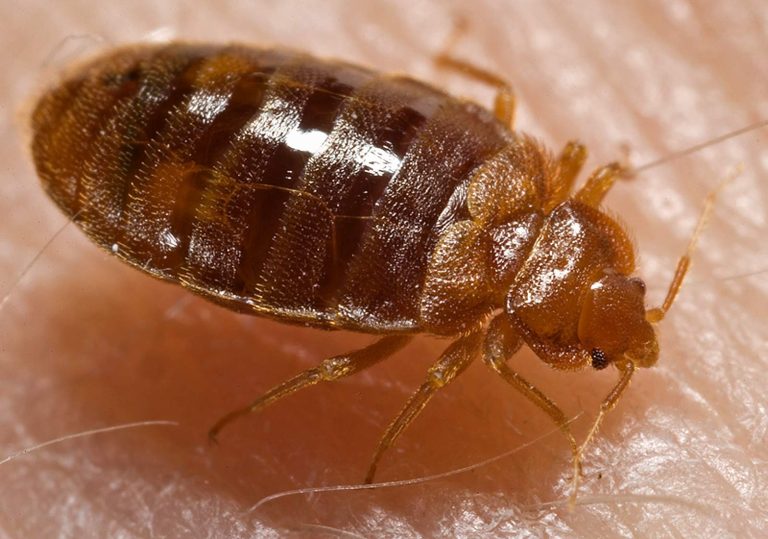
How Do Exterminators Check for Bed Bugs? (2026)
How do exterminators check for bed bugs? They do a systematic visual inspection of harborages with flashlights and tools, may use detection dogs and monitors, and confirm with physical signs. Learn the process.

Disclosure: As an Amazon Associate we earn from qualifying purchases. Some links on this page are affiliate links: they cost you nothing extra and do not change what we write. Read our affiliate disclosure.
If you are considering professional help, you may wonder how exterminators check for bed bugs. The short answer is that professionals use a systematic visual inspection of the likely harborages — beds, furniture, seams, crevices, and surrounding areas — with bright flashlights and specialized tools, looking for live bugs, eggs, shed skins, and fecal spots. Many also use trained detection dogs (canine inspection) for hard-to-find or early infestations, and may place monitors. They confirm an infestation with physical evidence, not guesswork.
This matters because understanding the professional process helps you know what to expect, prepare for an inspection, and appreciate why a thorough inspection is valuable. Professionals bring experience in knowing exactly where bed bugs hide and what their signs look like, plus tools (and sometimes dogs) that improve detection — especially for low-level or hidden infestations that are easy to miss. Knowing the process also helps you do a better job yourself.
In this guide you will learn how exterminators check for bed bugs: the visual inspection process, the tools they use, canine detection, monitors and traps, what they examine, how they confirm and report, and how to prepare. We will use clear tables and finish with a checklist. 💚
- How Do They Check? Quick Answer
- The Systematic Visual Inspection
- Tools Professionals Use
- Inspection Tools
- Where They Look
- Canine (Dog) Detection
- Monitors and Traps
- How They Confirm and Report
- Detection Methods Compared
- How to Prepare for an Inspection
- Common Mistakes (and Fixes)
- Expert Pro Tips
- FAQs
- Final Verdict + Checklist
How Do They Check? Quick Answer
The quick answer is that exterminators check for bed bugs with a systematic visual inspection of the likely harborages — beds, mattresses, frames, furniture, seams, crevices, baseboards, and surrounding areas — using bright flashlights and specialized tools to find live bugs, eggs, shed skins, and dark fecal spots. Many also offer canine (detection dog) inspections for hidden or early infestations, and may place monitors or interceptors. They confirm an infestation with physical evidence.
So the professional process combines expert knowledge of where bugs hide, careful visual inspection with good tools, and sometimes canine detection and monitoring — a thorough, evidence-based approach. Understanding it helps you prepare and know what to expect. Our guide on finding bed bugs covers the visual signs they look for.
Exterminators check with a systematic visual inspection of harborages using flashlights and tools, often add detection dogs for hidden cases, and confirm with physical evidence — live bugs, eggs, skins, and fecal spots.
The Systematic Visual Inspection
The core of a professional check is a systematic visual inspection. The inspector works methodically through the rooms and the likely harborages, examining each area closely for signs of bed bugs. They start with the bed (mattress seams, box spring, frame, headboard) — the most common harborage — then move to nearby furniture, then outward to baseboards, and other crevices, following where bugs are most likely to hide.
This methodical approach, informed by experience, is what makes a professional inspection thorough: they know the order and the spots where bed bugs concentrate, and they check each carefully rather than glancing around. They look for the full range of signs — live bugs, eggs, shed skins, and fecal spots — and interpret what they find to assess the presence and extent of an infestation.
So the visual inspection is a systematic, experience-guided examination of the harborages from the bed outward, checking each carefully for all signs. Its thoroughness is the professional’s key advantage. Our guide on where bed bugs hide covers the harborages they inspect.
Tools Professionals Use
Professionals use several tools to improve detection. A bright flashlight is essential for seeing into dark crevices. A magnifier helps confirm tiny eggs and young nymphs. A thin probing tool or card flushes bugs from seams and opens tight crevices. Some use other aids to examine hard-to-reach areas. These tools let the inspector see and reach the spots where bed bugs hide.
Beyond handheld tools, professionals may use monitors and interceptor traps for ongoing detection, and canine teams for scent-based detection (covered below). The combination of good tools and experience is what allows a professional to find bugs that an untrained, ill-equipped look would miss — especially in low-level infestations where signs are sparse and hidden.
So professionals use flashlights, magnifiers, probing tools, monitors, and sometimes dogs to detect bed bugs thoroughly. These tools, plus experience, improve detection. You can use similar basic tools yourself; a detection flashlight (view options on Amazon) is a good start. Our guide on inspecting with tools covers technique.
Inspection Tools
| Tool | Purpose |
|---|---|
| Bright flashlight | See into dark crevices |
| Magnifier | Confirm tiny eggs and nymphs |
| Probing card/tool | Flush bugs from seams |
| Monitors/interceptors | Ongoing detection |
| Detection dog | Scent-based detection of hidden bugs |
Good tools plus experience let professionals find bugs that a casual look would miss.
Where They Look
Professionals know exactly where to look. They focus first on the bed — mattress seams and tufts, box spring, bed frame, headboard, and the surrounding area — since this is the most common harborage. Then they inspect nearby furniture (nightstands, dressers, chairs, couches), the seams and crevices of upholstered items, and the joints and undersides of wood furniture.
From there, they expand to baseboards, the edges of carpet, wall and floor cracks, behind picture frames and outlet covers, curtains, and other crevices in the room, following the pattern of how infestations spread outward from the bed. They prioritize the highest-probability spots but check broadly enough to find bugs that have spread. This knowledge of where to look is a key professional advantage.
So professionals look at the bed first, then nearby furniture, then outward to baseboards, cracks, and other crevices, following how infestations spread. Knowing the high-probability spots makes them efficient and thorough. Our guide on where bed bugs hide covers the spots.
Canine (Dog) Detection
Many professionals offer canine inspections, using a dog trained to detect the scent of live bed bugs and eggs. A trained detection dog can identify infestations that are hidden, in early stages, or in hard-to-inspect areas, sometimes faster and more sensitively than a visual check alone. The dog alerts to the scent, and the handler then typically confirms visually where possible.
Canine detection is especially useful for low-level infestations (few bugs, sparse signs), large properties or multiple units, and verifying whether an area is clear after treatment. It complements rather than replaces visual inspection, since a canine alert is usually confirmed with visual evidence. The dog’s scent-based sensitivity adds a powerful detection tool to the professional’s arsenal.
So canine detection uses a trained dog’s scent sensitivity to find hidden or early bed bugs, complementing visual inspection and useful for low-level cases, large properties, and post-treatment verification. Our guide on bed bug dogs covers canine detection in detail.
Monitors and Traps
Professionals may also place monitors and interceptor traps as part of detection, especially for confirming low-level activity or monitoring over time. Interceptor traps under the bed and furniture legs catch bugs traveling to and from the host, providing evidence between inspections. Active monitors that use lures (heat, carbon dioxide, or attractants) can draw and capture bugs to detect their presence.
These monitoring tools are valuable when an infestation is light and signs are hard to find on a single visual inspection, or to track whether activity continues after treatment. A professional may install monitors and check them over a period, using the captures as evidence of presence and a measure of progress. Monitoring extends detection beyond the one-time inspection.
So professionals use interceptor traps and active monitors to detect low-level activity and track progress over time, complementing the visual inspection. Monitoring confirms presence and measures treatment success. A set of interceptor traps (see options on Amazon) can be used for ongoing monitoring. Our guide on whether monitors work covers them.
How They Confirm and Report
Professionals confirm an infestation with physical evidence — finding live bugs, eggs, shed skins, or fecal spots (and confirming canine alerts visually where possible) — rather than relying on bites or assumptions. This evidence-based confirmation is important because it avoids both false alarms and missed infestations. A captured specimen can be positively identified to be sure it is bed bugs and not a look-alike.
After the inspection, the professional reports their findings: whether bed bugs were found, where, and the apparent extent, along with recommendations for treatment. Some provide a written report documenting the findings, useful for landlords, leases, or records. They use the inspection results to plan an appropriate treatment targeting the identified harborages.
So professionals confirm with physical evidence and identification, then report the findings, extent, and recommendations, sometimes in writing. Evidence-based confirmation guides effective treatment. Our guide on confirming bed bug status covers evidence-based assessment.
Detection Methods Compared
| Method | Strength | Best For |
|---|---|---|
| Visual inspection | Thorough, evidence-based | Standard detection |
| Canine detection | Sensitive to hidden/early bugs | Low-level, large properties, verification |
| Interceptor traps | Catches traveling bugs over time | Monitoring and low-level activity |
| Active monitors | Lures and captures bugs | Detecting sparse infestations |
Professionals combine these methods, matching the approach to the situation for thorough detection.
How to Prepare for an Inspection
To help a professional inspection, prepare the space as they advise. Generally, reduce clutter (which gives bugs hiding spots and blocks inspection), provide access to the beds and furniture, and do not do anything that would scatter bugs (like spraying pesticides) before the inspection, which can make detection harder. Follow any specific preparation instructions the company gives.
Avoid moving items between rooms before the inspection (which can spread bugs and confuse the picture), and be ready to share where you have noticed signs or bites, which helps the inspector focus. Do not clean away the evidence (fecal spots, shed skins) before they arrive, as these signs aid detection. Good preparation makes the inspection more efficient and accurate.
So prepare by decluttering, providing access, not spraying or moving items beforehand, and sharing where you noticed signs. Good preparation supports a thorough, accurate inspection. Our guide on preparing for a professional visit covers preparation.
How Long an Inspection Takes
A professional bed bug inspection usually takes anywhere from around twenty minutes for a single room or small apartment to an hour or more for a larger home or multiple units, depending on the size, clutter, and whether a detection dog is used. A canine inspection of a given area can be quick for the dog’s pass, but the overall visit includes setup, visual confirmation of alerts, and discussion of findings.
The inspector spends the most time on the highest-probability areas (the beds and nearby furniture) and moves faster through lower-probability areas, while still checking broadly. Heavy clutter lengthens an inspection because there are more places to check and access is harder, which is one reason decluttering beforehand helps. A thorough inspection is worth the time it takes, since missing a harborage can mean a failed treatment.
So an inspection typically runs from about twenty minutes to over an hour depending on size and clutter, with the most time on the beds and nearby furniture. Allowing enough time supports thoroughness. Our guide on bed bug inspection cost covers pricing alongside the process.
DIY vs Professional Inspection
You can do a useful inspection yourself with a bright flashlight and a methodical approach, checking the same harborages professionals do — the bed, furniture, seams, and crevices — for live bugs, eggs, shed skins, and fecal spots. A self-inspection is a great first step and can confirm an obvious infestation or catch one early. For many situations, your own careful inspection plus interceptor monitoring is enough to detect bed bugs.
A professional inspection adds value when bed bugs are hard to find (low-level or hidden), when you need certainty (before a lease or sale, or to verify treatment worked), when a detection dog’s sensitivity would help, or when you simply want expert confirmation. Professionals bring experience, tools, and sometimes dogs that improve detection in difficult cases. So the choice depends on the situation: self-inspect for straightforward cases, and bring in a professional for difficult or high-stakes ones.
So a careful self-inspection handles many cases, while a professional inspection adds experience, tools, and canine detection for difficult or high-stakes situations. Use the right level for your need. Our guide on when to call a professional covers the decision.
After the Inspection
Once the inspection is done, the professional explains what they found, where, and how extensive it appears, and recommends next steps. If bed bugs are confirmed, they typically propose a treatment plan targeting the identified harborages, often with a follow-up to catch any survivors and eggs that hatch later. If nothing is found but you still have concerns, they may suggest monitoring with interceptors over time or a canine check.
This is also the time to ask questions — about the extent, the treatment options and cost, preparation, and what to expect — so you can make an informed decision. Keeping any written report is useful for records, landlords, or verifying treatment success later. The inspection’s findings become the foundation for an effective, targeted treatment rather than guesswork. Our guide on what to expect from treatment covers the next steps.
Common Mistakes (and Fixes)
- Mistake: Spraying pesticides before the inspection. Fix: it scatters bugs and hampers detection — wait for the professional.
- Mistake: Cleaning away the evidence. Fix: leave fecal spots and shed skins for the inspector to see.
- Mistake: Heavy clutter blocking access. Fix: declutter so the inspector can reach harborages.
- Mistake: Moving items between rooms beforehand. Fix: avoid spreading bugs and confusing the picture.
- Mistake: Relying on bites instead of an inspection. Fix: professionals confirm with physical evidence.
Expert Pro Tips
- They start at the bed. The most common harborage, then outward.
- Tools plus experience. Flashlights, magnifiers, and know-how find hidden bugs.
- Dogs help with hidden cases. Canine detection adds sensitivity.
- Evidence confirms. Live bugs, eggs, skins, and fecal spots — not bites.
Exterminators check the way you should — systematically, from the bed outward, with good light and tools — plus detection dogs and monitors for the hidden cases. They confirm with evidence, not guesses.
Real-Life Scenarios
The thorough sweep. The inspector started at Mia’s bed, found fecal spots in the box spring seams, then traced activity to a nearby nightstand — a systematic sweep that mapped the infestation.
The dog. For a hard-to-find case, Ben’s professional brought a detection dog that alerted to a hidden early infestation, confirmed visually — scent detection finding what a glance missed.
The verification. After treatment, the professional used monitors and a follow-up inspection to verify the area was clear — evidence-based confirmation, not assumption.
Frequently Asked Questions
How do exterminators check for bed bugs?
With a systematic visual inspection of the likely harborages — beds, mattresses, frames, furniture, seams, crevices, and baseboards — using bright flashlights and tools to find live bugs, eggs, shed skins, and fecal spots. Many also use trained detection dogs for hidden or early infestations and may place monitors or interceptors. They confirm an infestation with physical evidence and report the findings and extent.
What tools do professionals use to find bed bugs?
Bright flashlights to see into crevices, magnifiers to confirm tiny eggs and nymphs, thin probing tools to flush bugs from seams, interceptor traps and active monitors for ongoing detection, and sometimes trained detection dogs for scent-based detection. The combination of good tools and experience lets professionals find bugs that an untrained, ill-equipped look would miss, especially in low-level infestations.
Do exterminators use dogs to find bed bugs?
Many do — canine inspections use a dog trained to detect the scent of live bed bugs and eggs, which can find hidden, early, or hard-to-inspect infestations, sometimes more sensitively than a visual check. The dog alerts to the scent and the handler confirms visually where possible. Canine detection is especially useful for low-level cases, large properties, and verifying an area is clear after treatment.
Where do exterminators look for bed bugs?
They start at the bed (mattress seams, box spring, frame, headboard) since it is the most common harborage, then inspect nearby furniture, then expand outward to baseboards, carpet edges, wall and floor cracks, behind frames and outlet covers, curtains, and other crevices — following how infestations spread from the bed. They prioritize high-probability spots while checking broadly enough to find spread.
How do professionals confirm it is bed bugs?
With physical evidence — finding live bugs, eggs, shed skins, or fecal spots, and confirming canine alerts visually where possible — rather than relying on bites. A captured specimen can be positively identified to rule out look-alikes. This evidence-based confirmation avoids both false alarms and missed infestations and guides an effective, targeted treatment plan.
How should I prepare for a bed bug inspection?
Reduce clutter so the inspector can access harborages, provide access to beds and furniture, and do not spray pesticides or move items between rooms beforehand (which scatters bugs and hampers detection). Leave the evidence (fecal spots, shed skins) for them to see, and be ready to share where you noticed signs or bites. Follow any specific preparation instructions the company provides.
Final Verdict + Checklist
How do exterminators check for bed bugs? With a systematic visual inspection of the likely harborages — starting at the bed and working outward to furniture, baseboards, and crevices — using bright flashlights, magnifiers, and probing tools to find live bugs, eggs, shed skins, and fecal spots. Many add canine (detection dog) inspections for hidden or early infestations, and place interceptor traps and monitors for ongoing detection and verification. They confirm an infestation with physical evidence and identification, not bites, and report the findings, extent, and recommendations. To help, prepare by decluttering, providing access, leaving the evidence in place, and not spraying or moving items beforehand. The professional’s advantage is experience, good tools, and detection dogs — a thorough, evidence-based approach you can partly replicate yourself with a flashlight and methodical inspection.
- Expect a systematic visual inspection from the bed outward
- Know they use flashlights, magnifiers, and probing tools
- Understand canine detection helps with hidden or early bugs
- Expect monitors or interceptors for ongoing detection
- Know they confirm with physical evidence, not bites
- Declutter and provide access before the inspection
- Don’t spray or move items beforehand
- Leave the evidence and share where you noticed signs
This guide is educational and prevention-focused. It does not provide medical advice. For an inspection or treatment, consult a licensed pest professional. Some links may earn us a small commission at no extra cost to you.
Further reading from public agencies
- EPA: Do-it-yourself bed bug control
- EPA: Pesticides for bed bug control
- EPA: Safety issues in controlling bed bugs
- EPA: Integrated pest management for bed bugs
These are United States agencies. If you are elsewhere, check your national or local public-health or pest-control authority. This article is general information, not medical advice or a diagnosis.