I Found One Bed Bug: What to Do Next (2026)
Found one bed bug? Don’t panic. Capture and identify it, inspect thoroughly, set up monitoring, and decide whether it is a lone hitchhiker or an infestation. A calm, step-by-step response guide.
Disclosure: As an Amazon Associate we earn from qualifying purchases. Some links on this page are affiliate links: they cost you nothing extra and do not change what we write. Read our affiliate disclosure.
Spotting a single bug sends a jolt of worry, so it helps to know what to do when you found one bed bug. The short answer is: do not panic, but do act. Capture the bug (without crushing it) and confirm it is a bed bug, then inspect thoroughly to see if there are more, set up monitoring with interceptors to detect ongoing activity, and use what you find to decide whether it was a lone hitchhiker or the first sign of an infestation. One bug could be either, so the calm, step-by-step response — capture, identify, inspect, monitor, decide — is what gives you the answer and the right next move.
This matters because a single bed bug is ambiguous: it might be a lone hitchhiker that wandered in (no infestation), or the first one you happened to see of a developing infestation. The way to resolve that is not to guess but to investigate — confirm what it is, look for more, and monitor over time. Acting promptly and methodically on one bug can catch an infestation at its easiest stage, or give you reassurance if it was isolated.
In this guide you will learn exactly what to do after finding one bed bug: capturing and identifying it, inspecting, setting up monitoring, deciding what it means, when to treat or call a professional, and how to stay calm. We will use clear tables and finish with a checklist. 💚
- Found One Bed Bug: Quick Answer
- Don’t Panic, But Do Act
- Step 1: Capture and Identify It
- Step 2: Inspect Thoroughly
- Step 3: Set Up Monitoring
- Step 4: Decide What It Means
- Lone Hitchhiker vs Infestation
- When to Treat or Call a Professional
- Step-by-Step Response
- Preventing More
- Common Mistakes (and Fixes)
- Expert Pro Tips
- FAQs
- Final Verdict + Checklist
Found One Bed Bug: Quick Answer
The quick answer is: do not panic, but do act. Capture the bug without crushing it and confirm it is a bed bug, then inspect thoroughly to see if there are more, set up interceptor monitoring to detect ongoing activity, and use what you find to decide whether it was a lone hitchhiker or the first sign of an infestation. One bug could be either, so the calm, step-by-step response — capture, identify, inspect, monitor, decide — is what gives you the answer and the right next move.
So treat one bug as a prompt to investigate, not a verdict. Methodical action can catch an infestation at its easiest stage, or reassure you if it was isolated. Our guide on whether one bed bug means an infestation covers the possibilities.
Found one bed bug? Don’t panic — capture and identify it, inspect thoroughly, set up monitoring, and decide whether it’s a lone hitchhiker or an infestation. Investigate; don’t guess.
Don’t Panic, But Do Act
Finding one bed bug is alarming, but panic leads to mistakes — like frantically moving items around (which can spread bugs if there are more) or throwing things out unnecessarily. So stay calm. At the same time, do not ignore it: one bug warrants a prompt, methodical response, because if it is the first sign of an infestation, acting now catches it at the smallest, easiest-to-treat stage.
So the right mindset is calm action: take the bug seriously enough to investigate properly, without overreacting. Avoid spreading anything, avoid impulsive disposal, and instead work through the steps below — capture, identify, inspect, monitor, decide. This balanced response gives you accurate information and the best outcome, whether the bug was isolated or the start of something. Calm and methodical beats both panic and denial.
So respond to one bug with calm action — take it seriously and investigate methodically, without panicking, spreading items, or discarding impulsively. Our guide on coping with bed bug stress covers staying calm.
Step 1: Capture and Identify It
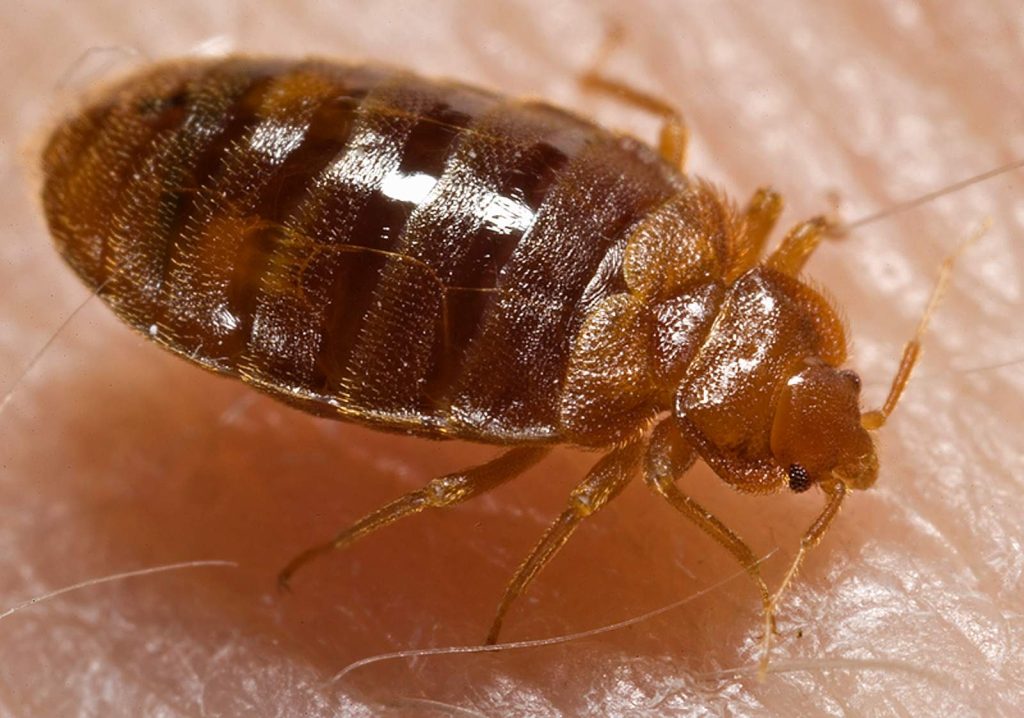
First, capture the bug without crushing it, so you can identify it. Use a piece of tape, a small container or jar, or a similar method to catch it intact — a crushed bug is harder to identify and may leave a stain. Then confirm it is actually a bed bug (small, flat, oval, reddish-brown, about apple-seed-sized as an adult, wingless) and not a look-alike (carpet beetle, young cockroach, bat bug, etc.), comparing to reliable images or having it identified.
Confirming the identity matters because look-alikes would mean a different (or no) bed bug problem, so you do not want to act on a misidentification. Keep the captured specimen — it is useful for a professional identification or to show a pest control company or landlord. If you are unsure, a professional can identify it definitively. So capture it intact and confirm it is a bed bug before proceeding.
So capture the bug intact (tape, container) and confirm it is a bed bug, not a look-alike, keeping the specimen for identification. Our guide on capturing a bug for identification covers the method.
Step 2: Inspect Thoroughly
Next, inspect thoroughly to see whether there are more bugs — the key to telling a lone hitchhiker from an infestation. With a bright flashlight, examine the mattress seams, box spring, bed frame, headboard, and nearby furniture for live bugs, pale eggs, shed skins, and dark fecal spots, especially near where you found the bug. Take your time and check the crevices methodically.
Finding additional bugs, eggs, shed skins, or fecal spotting indicates an infestation (not just a lone bug), while finding nothing else after a thorough inspection suggests the single bug may have been an isolated hitchhiker (though monitoring is still needed to be sure). So the inspection is what starts to answer the question. Inspect the bed area first (where you likely found the bug or where bugs concentrate), then outward.
So inspect the bed and nearby harborages thoroughly with a flashlight for additional bugs and signs — finding more means an infestation; finding nothing suggests (with monitoring) a possible lone bug. A detection flashlight (view options on Amazon) helps the inspection. Our guide on inspecting with a flashlight covers technique.
Step 3: Set Up Monitoring
Set up monitoring to detect any ongoing activity over time, since a single inspection might miss a low-level infestation. Place interceptor traps under the bed and furniture legs — they catch bugs traveling to and from the bed, providing objective evidence over the following days and weeks. Check them regularly. Monitoring is especially important after finding one bug, because it can confirm whether more bugs are active even if your inspection found nothing.
Encasing the mattress and box spring also helps by removing hiding spots and making any bugs easy to spot. So after the one-bug discovery, monitoring turns the uncertain situation into a tracked one: if interceptors stay empty and no new bugs or signs appear over time, the single bug was likely isolated; if they catch bugs, you have an infestation to treat. Monitoring is how you confirm the answer.
So set up interceptor monitoring under the bed and furniture legs (and consider encasements) to detect ongoing activity over time — the way to confirm whether more bugs are present. A set of interceptor traps (see options on Amazon) provides this monitoring. Our guide on interceptor traps covers monitoring.
Step 4: Decide What It Means
Using your inspection and monitoring, decide what the one bug means. If your thorough inspection found additional bugs, eggs, shed skins, or fecal spotting, or your interceptors catch bugs over time, it is an infestation — proceed to treatment. If a thorough inspection found nothing else and your interceptors stay empty with no new bugs or bites over a period of weeks, the single bug was likely an isolated hitchhiker, and you can relax while continuing to monitor.
The decision rests on evidence over time, not the single bug alone, because one bug is genuinely ambiguous. A lone bug with no other signs and clear monitoring points to an isolated incident; any additional signs or captures point to an infestation. So give it the inspection and a period of monitoring, then decide based on what they show. This evidence-based decision avoids both overreacting and missing a real infestation.
So decide based on the inspection and a period of monitoring — additional signs or captures mean an infestation (treat); nothing else over weeks means a likely isolated bug (relax, keep monitoring). Our guide on evidence-based assessment covers reading the signs.
Lone Hitchhiker vs Infestation
| Observation | Suggests |
|---|---|
| Only one bug, no other signs | Possibly a lone hitchhiker |
| Additional bugs/eggs/skins/fecal spots | An infestation |
| Interceptors catch bugs over time | An infestation |
| Interceptors empty, no new signs (weeks) | Likely isolated — keep monitoring |
| Recurring bites or sightings | An infestation |
Decide on evidence over time, not the single bug — investigate before concluding either way.
When to Treat or Call a Professional
If your investigation indicates an infestation (additional signs or interceptor captures), treat it promptly — the earlier, the easier. Early treatment can include thorough steam and heat (laundering and high-heat drying bedding, steaming harborages), encasements, vacuuming, and continued monitoring, and for anything beyond a very small, clearly-localized problem, a professional is often the most reliable choice. Catching an infestation when it is small (as finding one bug may let you do) is a big advantage.
If the evidence points to a lone hitchhiker (nothing else found, clear monitoring), you may not need treatment beyond having removed the bug, but keep monitoring for a while to be sure. When in doubt, a professional inspection can resolve the uncertainty. So treat promptly if there are signs of an infestation, monitor and relax if it was isolated, and use a professional for confirmation or for treating anything beyond a minimal problem.
So treat promptly (often with a professional) if signs indicate an infestation, keep monitoring if it was likely isolated, and use a professional to resolve uncertainty — early action is a big advantage. Our guide on when to call a professional covers escalating.
Step-by-Step Response
| Step | Action |
|---|---|
| 1. Stay calm | Don’t panic, spread items, or discard impulsively |
| 2. Capture | Catch the bug intact (tape, container) |
| 3. Identify | Confirm it is a bed bug, not a look-alike |
| 4. Inspect | Flashlight inspection of the bed and harborages |
| 5. Monitor | Interceptors under the legs; check over time |
| 6. Decide | Treat if signs of infestation; monitor if isolated |
Capture, identify, inspect, monitor, decide — a calm, methodical response to one bug.
Preventing More
Whether the one bug was isolated or the start of an infestation, take steps to prevent more. If it was likely a hitchhiker, think about where it might have come from (recent travel, a visitor, used furniture) and apply prevention there — inspect and heat-treat any items from a possible source, and handle future travel and used furniture carefully. Keep monitoring with interceptors and inspecting periodically.
If it was an infestation, prevention means thorough treatment plus ongoing monitoring and the usual habits (encasements, decluttering, careful travel and secondhand handling). In either case, the one-bug discovery is a useful prompt to tighten prevention. So use the experience to prevent future bugs, applying prevention to the likely source and maintaining monitoring. Vigilance after finding one bug catches any future issue early.
So prevent more by addressing the likely source, applying prevention habits, and maintaining monitoring — using the one-bug discovery as a prompt to stay vigilant. Our guide on preventing bed bugs covers the habits.
Where You Found It Matters
Where you found the single bug gives useful context. A bug found on your bed, in the mattress seams, or near where you sleep is more concerning — it points toward the bed harborage and warrants especially careful inspection and monitoring there. A bug found on luggage just back from a trip, on a coat after visiting somewhere, or on an item brought in suggests a possible hitchhiker caught in transit, which you can address by treating that item and watching the home.
So consider the location: a bug at the bed raises the priority of inspecting and monitoring the sleeping area, while a bug on a just-arrived item points to a hitchhiking source to treat (heat-treat the item, inspect your belongings). In all cases you still inspect and monitor, but the location helps you focus — on the bed if found there, or on the source item and entry point if found on something brought in.
So use where you found the bug to focus your response — the bed area if found there, or the source item and entry point if found on something just brought in — while still inspecting and monitoring. Our guide on how bed bugs get in covers entry points.
Common Mistakes (and Fixes)
- Mistake: Panicking and moving items around. Fix: stay calm; don’t spread bugs or discard impulsively.
- Mistake: Crushing the bug. Fix: capture it intact for identification.
- Mistake: Assuming one bug means a huge infestation (or nothing). Fix: it’s ambiguous — inspect and monitor to decide.
- Mistake: Doing one inspection and stopping. Fix: set up monitoring over time to catch low-level activity.
- Mistake: Ignoring it entirely. Fix: investigate — one bug can be the first sign of an infestation.
Expert Pro Tips
- Calm action. Take it seriously without panicking.
- Capture intact. For identification and proof.
- Inspect and monitor. Evidence over time decides it.
- Early treatment wins. One bug may be the easiest stage to catch it.
One bed bug is a prompt, not a verdict. Capture and identify it, inspect thoroughly, set up interceptors, and let the evidence over time tell you whether it was a lone hitchhiker or an infestation to treat.
Real-Life Scenarios
The lone hitchhiker. After finding one bug, Mara captured it, inspected thoroughly (finding nothing else), and monitored with interceptors for weeks — all clear. It had been an isolated hitchhiker.
The first sign. Tom found one bug, then his inspection turned up fecal spots and a few more in the seams — an infestation caught early, which he treated promptly while it was small.
The misidentification avoided. Dana captured the bug and had it identified — it was a carpet beetle, not a bed bug, sparing her an unnecessary response.
Frequently Asked Questions
I found one bed bug — what should I do?
Don’t panic, but do act: capture the bug without crushing it and confirm it is a bed bug, inspect thoroughly (with a flashlight) for more bugs and signs, set up interceptor monitoring under the bed and furniture legs, and use the inspection and monitoring over time to decide whether it was a lone hitchhiker or the first sign of an infestation. Treat promptly if there are signs of an infestation; keep monitoring if it appears isolated.
Does finding one bed bug mean I have an infestation?
Not necessarily — one bug is ambiguous. It could be a lone hitchhiker that wandered in (no infestation) or the first one you happened to see of a developing infestation. The way to tell is to investigate: confirm it is a bed bug, inspect thoroughly for more bugs and signs, and monitor with interceptors over time. Additional signs or captures mean an infestation; nothing else over weeks suggests it was likely isolated.
Should I kill the bed bug I found?
Capture it intact rather than crushing it, so you can identify it (and keep it as proof for a professional or landlord) — a crushed bug is harder to identify and may stain. Use tape or a small container to catch it. Once you have confirmed it is a bed bug and kept the specimen, you can dispose of it sealed. The priority is identification and then investigating whether there are more, not just killing the one bug.
How do I know if it was just a hitchhiker or an infestation?
Inspect thoroughly and monitor over time. If a thorough flashlight inspection of the bed and harborages finds additional bugs, eggs, shed skins, or fecal spotting, or your interceptors catch bugs over the following weeks, it is an infestation. If a thorough inspection finds nothing else and your interceptors stay empty with no new bugs or bites over a period of weeks, the single bug was likely an isolated hitchhiker. Decide on the evidence over time.
Do I need to treat or call a professional after finding one bug?
It depends on what your investigation shows. If you find signs of an infestation (additional bugs/signs or interceptor captures), treat promptly — often with a professional, especially for anything beyond a tiny localized problem — since early treatment is easiest. If the evidence points to a lone hitchhiker, you may not need treatment beyond removing the bug, but keep monitoring. When in doubt, a professional inspection can resolve the uncertainty.
How worried should I be about one bed bug?
Concerned enough to investigate promptly and methodically, but not panicked — one bug is ambiguous and could be isolated or an early infestation, and a calm, step-by-step response (capture, identify, inspect, monitor, decide) gives you the answer. Finding one bug can actually be an advantage, letting you catch an infestation at its smallest, easiest stage if there is one, or gain reassurance if it was isolated. Take bite or health concerns to a medical professional.
Final Verdict + Checklist
I found one bed bug — what to do? Don’t panic, but do act methodically. Capture the bug intact (tape or a container) and confirm it is a bed bug, not a look-alike; inspect thoroughly with a flashlight (the bed, box spring, frame, headboard, and nearby furniture) for additional bugs, eggs, shed skins, and fecal spots; set up interceptor monitoring under the bed and furniture legs and check it over time; and use the inspection and monitoring to decide what the one bug means. Additional signs or captures indicate an infestation — treat promptly, often with a professional, while it is small. Nothing else found and clear monitoring over weeks suggests a lone hitchhiker — relax while continuing to monitor. Either way, address the likely source and keep up prevention. One bug is a prompt to investigate, not a verdict, and acting calmly can catch an infestation at its easiest stage.
- Stay calm; don’t spread items or discard impulsively
- Capture the bug intact (tape or container)
- Confirm it is a bed bug, not a look-alike
- Inspect the bed and harborages thoroughly with a flashlight
- Set up interceptor monitoring; check over time
- Decide on evidence: signs/captures = infestation; nothing = likely isolated
- Treat promptly (often a pro) if signs of an infestation
- Address the likely source and keep up prevention
This guide is educational and prevention-focused. It does not provide medical advice; for bite or health concerns, consult a qualified medical professional. For established infestations, consider a licensed professional. Some links may earn us a small commission at no extra cost to you.
Further reading from public agencies
These are United States agencies. If you are elsewhere, check your national or local public-health or pest-control authority. This article is general information, not medical advice or a diagnosis.