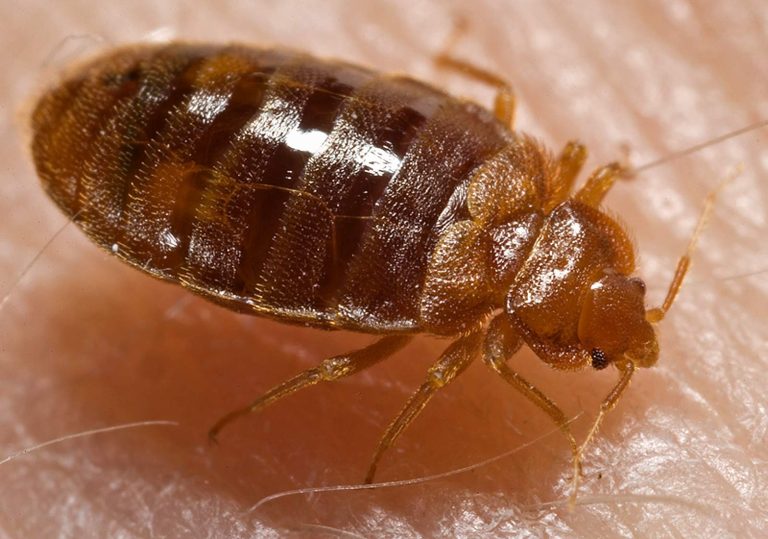
Can You Suffocate Bed Bugs? The Truth (2026 Guide)
Can you suffocate bed bugs? Not reliably — they tolerate low oxygen, so sealing them in plastic traps and starves them (slowly) rather than suffocating them. Learn how encasements and bagging really work.
Disclosure: As an Amazon Associate we earn from qualifying purchases. Some links on this page are affiliate links: they cost you nothing extra and do not change what we write. Read our affiliate disclosure.
A common idea is that sealing bed bugs in plastic will smother them, so people ask: can you suffocate bed bugs? The short answer is not reliably — bed bugs are surprisingly tolerant of low oxygen and can survive sealed environments for a long time, so you cannot count on suffocating them. When sealing items in plastic (like a mattress encasement or a bag) works against bed bugs, it works mainly by trapping them (so they cannot reach you or escape) and ultimately starving them, not by suffocation. And starving them out is slow.
This matters because the suffocation idea can give a false sense of how encasements and bagging work. People sometimes assume a sealed bag or encasement quickly smothers the bugs — but the bugs survive the low oxygen, and the real mechanisms are containment and slow starvation. Understanding this corrects the myth and sets the right expectations for these methods, which are genuinely useful when you understand what they actually do.
In this guide you will learn whether you can suffocate bed bugs (not reliably), why they tolerate low oxygen, how encasements and bagging actually work (trapping and starving), why suffocation is unreliable, and what actually kills them quickly. We will use clear tables and finish with a printable checklist. 💚
- Can You Suffocate Bed Bugs? Quick Answer
- No — They Tolerate Low Oxygen
- Why Bed Bugs Survive Sealed Environments
- How Mattress Encasements Actually Work
- How Bagging Actually Works
- Trapping and Starving vs Suffocating
- Why Starving Them Out Is Slow
- Eggs Make Suffocation Even Less Reliable
- The False Hope of Suffocation
- What Actually Kills Them Quickly
- Suffocation vs Effective Methods
- Common Mistakes (and Fixes)
- Expert Pro Tips
- FAQs
- Final Verdict + Checklist
Can You Suffocate Bed Bugs? Quick Answer
The quick answer is that you cannot reliably suffocate bed bugs. They are surprisingly tolerant of low oxygen and can survive in sealed environments for a long time, so simply cutting off air does not dependably kill them. When sealing items in plastic — like a mattress encasement or a sealed bag — works against bed bugs, it works mainly by trapping them (so they cannot reach you, escape, or feed) and ultimately starving them over a long period, not by suffocation.
So sealing is a containment-and-starvation method, not a smothering one, and starving them out is slow (months). This corrects the common suffocation myth and sets the right expectations: encasements and bagging are useful for trapping and protecting, but they do not quickly smother the bugs. To kill bed bugs quickly, you need heat, not suffocation. Our guide on whether bed bugs survive water covers their similar resilience to drowning.
No — you cannot reliably suffocate bed bugs; they tolerate low oxygen. Sealing them in plastic traps and slowly starves them, it does not smother them. To kill quickly, use heat.
No — They Tolerate Low Oxygen
Bed bugs cannot be reliably suffocated because they tolerate low-oxygen conditions remarkably well. Like many insects, they have a low metabolic rate (especially when not feeding) and can survive on very little oxygen for extended periods, enduring sealed environments that you might expect to smother them. So cutting off their air does not dependably or quickly kill them.
This is part of the general hardiness that makes bed bugs difficult to eliminate — the same resilience that lets them survive long without food and tolerate being submerged in water. Their ability to endure low oxygen means a sealed bag or encasement does not asphyxiate them the way the suffocation idea assumes; they simply persist in the low-oxygen environment.
So the premise of suffocation — that depriving bed bugs of air will smother them — does not hold up, because they are adapted to survive low oxygen. This is why sealing works through other mechanisms (containment and starvation), not suffocation. Understanding their low-oxygen tolerance is the key to the whole question. Our guide on why bed bugs are so hard to get rid of covers their resilience.
Why Bed Bugs Survive Sealed Environments
Bed bugs survive sealed environments for the same reasons they endure other harsh conditions: low metabolic needs and adaptation to scarcity. When sealed in a bag or under an encasement, a bed bug slows down, conserves energy, and persists on minimal resources, including minimal oxygen. It does not quickly run out of air and die; it endures.
This is why a sealed mattress encasement does not smother the bugs inside — they survive the sealed condition. What eventually kills bugs sealed away from a host is starvation (they cannot feed), not suffocation — and starvation takes a long time, as bed bugs can survive many months without feeding. So the sealed environment works by denying food and containing the bugs, over a long period, not by cutting off air.
So the reason sealing is useful is containment and eventual starvation, not suffocation. The bugs survive the sealed, low-oxygen environment, and only the lack of feeding (over months) eventually does them in — while the seal usefully traps them in the meantime. This distinction is the heart of understanding encasements and bagging. Our guide on how long bed bugs survive without food covers their starvation endurance.
How Mattress Encasements Actually Work
Mattress encasements are a valuable bed bug tool, but they do not work by suffocation — they work by trapping and containing. An encasement is a zippered cover that fully seals the mattress (and box spring). Bugs already inside are trapped within and cannot get out to feed on you, so they are denied feeding and eventually die of starvation over time, while bugs outside cannot get in to harbor in the mattress.
So the encasement protects the mattress (bugs cannot infest it), makes monitoring easy (any bugs are on the smooth outer surface where you can spot them), and traps any bugs inside until they starve — all without relying on suffocation. The trapped bugs survive the sealed condition (no suffocation) but cannot feed, so they eventually die, which is why encasements are typically left on for a long time (often a year or more).
So the value of an encasement is containment and protection, not smothering. It is genuinely effective for these purposes, but understanding that it works by trapping and starving (slowly) — not suffocating — sets the right expectation: the bugs inside do not die immediately, which is why the encasement stays on long-term. Our guide on protecting your bed with encasements covers how they work.
How Bagging Actually Works
Bagging items in sealed plastic, like encasements, works by containment and starvation, not suffocation. Sealing an infested item in a bag traps the bugs (so they cannot escape to reinfest your home) and denies them a host to feed on, so they eventually starve — but this takes a long time (often around a year at room temperature), because the bugs survive the sealed, low-oxygen environment and only slowly succumb to starvation.
So a sealed bag does not quickly smother the bugs inside; it contains them and waits them out. This is why bagging-alone is a slow method, and why it is far more effective to combine bagging with heat or cold (which kill quickly) rather than relying on the seal to suffocate or even to starve them out over many months.
So the role of bagging is containment (preventing spread) and, eventually, slow starvation — useful, but not a quick suffocation kill. Understanding this is why guidance pairs bagging with heat or cold for a fast kill, and treats sealing alone as a slow, containment-focused approach. Our guide on how long bed bugs survive in a sealed bag covers the bagging method in depth.
Trapping and Starving vs Suffocating
| Assumed Mechanism | Actual Mechanism |
|---|---|
| Sealing smothers/suffocates bugs | It traps them and slowly starves them |
| Cutting off air kills them fast | They tolerate low oxygen and survive |
| Encasement quickly kills bugs inside | Traps them; they starve over months |
| A sealed bag smothers items' bugs | Contains them; starvation takes ~a year |
| Suffocation is a quick fix | Heat is the quick kill, not suffocation |
Sealing works by trapping and slow starvation — not by suffocation.
Why Starving Them Out Is Slow
Because sealing relies on starvation (not suffocation), and bed bugs survive a long time without feeding, starving them out is slow. At room temperature, bugs sealed away from a host can survive many months — potentially a year or more in cool conditions — before starvation kills them. So a sealed bag or trapped-in encasement does not resolve quickly; it takes a long time to wait the bugs out.
This is compounded by temperature: cooler conditions slow the bugs metabolism and prolong their survival, so a sealed item kept cool lasts even longer. And eggs (covered next) add further time. So relying on sealing to starve bugs out means committing to a long timeline — which is why encasements stay on for a year or more, and why bagging-alone requires patience.
So the slowness of starvation is the practical downside of the seal-and-wait approach. It works eventually, but not quickly, which is exactly why it is not a substitute for fast-killing methods like heat. The seal contains the bugs while the slow starvation plays out. Our guide on how long bed bugs survive without a host covers the slow starvation timeline.
Eggs Make Suffocation Even Less Reliable
Bed bug eggs make suffocation (and even starvation-by-sealing) even less reliable. Eggs are protected and resistant, and sealing does not reliably kill them by suffocation. Moreover, eggs sealed in a bag or under an encasement will hatch (eggs do not need to feed to hatch), producing new nymphs that then start their own long starvation clock — extending the time needed.
So a sealed environment must contain not just the adult bugs but also outlast the eggs that hatch inside and the nymphs they produce, which is a major reason sealing-alone timelines are so long (around a year). Suffocation does not handle the eggs, and the hatching-then-starving sequence is slow. This is yet another reason suffocation is not a quick or reliable kill.
So the eggs reinforce that sealing is a slow, containment-and-starvation method, not a suffocation one — and that it must be maintained long enough to outlast the hatched eggs too. Methods that kill eggs directly (heat) avoid this entirely. The eggs are a key reason to prefer heat over relying on sealing/suffocation. Our guide on bed bug eggs covers their resilience.
The False Hope of Suffocation
The suffocation idea is a false hope that can mislead people. Someone might seal infested items in a bag (or rely on an encasement) expecting the bugs to quickly smother and die, then open the bag too soon or assume the problem is solved — while the bugs, having survived the low oxygen, are still alive. This false expectation can lead to premature opening, released live bugs, and a continued infestation.
So the danger of the suffocation myth is not that sealing is useless (it is genuinely useful for containment and protection) but that misunderstanding it as quick suffocation leads to wrong timelines and false confidence. The seal must be maintained for the long starvation period (around a year for bagging-alone) to actually kill the bugs and outlast the eggs, which the suffocation framing obscures.
So correct the false hope: sealing traps and slowly starves, it does not quickly suffocate. Use sealing for what it does well (containment, protection, monitoring), maintain it long enough if relying on starvation, and use heat for a fast kill — do not expect suffocation to do the job quickly. Our guide on sealed storage covers using sealing correctly.
What Actually Kills Them Quickly
Since suffocation is unreliable and starvation is slow, what actually kills bed bugs quickly is heat. A hot dryer for fabrics, steam for seams and crevices, and professional heat treatment for whole rooms kill bed bugs and eggs rapidly — in minutes once they reach a lethal temperature — unlike the months-long wait of sealing. Cold (sustained freezing around 0°F) also kills them, in days.
So if you want to kill bugs in items quickly, heat-treat them (a hot dryer for dryer-safe items, or steam, or freezing for heat-sensitive items) rather than relying on sealing to suffocate or starve them. Sealing then has its proper role: containing bugs while you treat, protecting the bed (encasements), and monitoring — not as the killing method itself.
So combine the methods correctly: use heat (or cold) to kill quickly, and sealing/encasements to contain, protect, and monitor. This is far more effective than relying on suffocation. You can protect the bed with a mattress encasement (view on Amazon) (for trapping and protection) and monitor with interceptors (see options on Amazon). Our guide on what temperature kills bed bugs covers the quick heat kill.
Suffocation vs Effective Methods
| Method | How It Works / Speed |
|---|---|
| Suffocation (cutting off air) | Unreliable — bugs tolerate low oxygen |
| Sealing (encasement/bag) | Traps and slowly starves — months to a year |
| Heat (dryer/steam/professional) | Kills bugs and eggs fast — minutes once lethal |
| Cold (sustained freezing) | Kills in days |
| Encasements + interceptors | Contain, protect, and monitor (not kill quickly) |
Suffocation is unreliable; sealing is slow containment/starvation; heat is the fast kill.
Common Mistakes (and Fixes)
- Mistake: Expecting a sealed bag to quickly suffocate bed bugs. Fix: they tolerate low oxygen — sealing traps and slowly starves them.
- Mistake: Opening a sealed bag too soon. Fix: starvation takes ~a year; maintain the seal, or use heat to kill fast.
- Mistake: Thinking an encasement smothers the bugs inside. Fix: it traps them; they starve over months — keep it on long-term.
- Mistake: Relying on suffocation as a quick fix. Fix: use heat to kill quickly; sealing is for containment and protection.
- Mistake: Forgetting eggs hatch inside a sealed bag. Fix: outlast the hatched eggs too, or kill them directly with heat.
Expert Pro Tips
- Do not count on suffocation. Bed bugs tolerate low oxygen and survive sealed environments.
- Understand sealing's real role. It traps, protects, and slowly starves — not smothers.
- Use heat to kill fast. Minutes at a lethal temperature beats months of starving.
- Keep encasements on long-term. Trapped bugs starve slowly — leave it a year or more.
You cannot smother a bed bug — it shrugs off low oxygen and waits. Sealing it away traps and slowly starves it; if you want it dead fast, reach for heat, not a plastic bag.
Real-Life Scenarios
The early-opened bag. Sam sealed items expecting the bugs to suffocate within days, then opened the bag — and found live bugs, which had survived the low oxygen. He switched to heat-treating items for a fast kill.
The encasement expectation. Lena thought her mattress encasement would quickly smother the bugs inside, but it traps them to starve over time. Knowing this, she kept it on long-term and added heat treatment for the rest of the room.
The heat shortcut. Tom skipped relying on suffocation and ran his infested fabrics through a hot dryer, killing the bugs and eggs in minutes — far faster than sealing them away to starve.
Frequently Asked Questions
Can you suffocate bed bugs?
Not reliably. Bed bugs tolerate low oxygen and can survive sealed environments for a long time, so cutting off air does not dependably kill them. When sealing them in plastic works, it works by trapping them and slowly starving them — not by suffocation. To kill quickly, use heat.
Do mattress encasements suffocate bed bugs?
No. An encasement traps the bugs inside (so they cannot get out to feed) and they eventually die of starvation over a long period, while protecting the mattress and making monitoring easy. The trapped bugs survive the sealed condition (no suffocation), which is why encasements are left on for a year or more.
Does sealing items in a bag kill bed bugs?
Only slowly, by starvation, not by suffocation. Sealed bugs survive the low-oxygen environment and only die after a long time without feeding (around a year at room temperature), and eggs hatch inside and must also be outlasted. Bagging is best for containment, paired with heat or cold for a fast kill.
Why can't bed bugs be suffocated?
Because they tolerate low oxygen well — they have a low metabolic rate, especially when not feeding, and can survive on minimal oxygen for extended periods. This is part of the same resilience that lets them survive long without food and tolerate water, so cutting off air does not smother them.
How long does it take to starve bed bugs in a sealed bag?
A long time — often around a year at room temperature, and potentially longer in cool conditions, because bed bugs survive many months without feeding and eggs hatch inside and must also be outlasted. This is why sealing-alone is slow and best paired with heat or cold to kill quickly.
What kills bed bugs quickly if suffocation doesn't?
Heat. A hot dryer for fabrics, steam for crevices, and professional heat treatment kill bed bugs and eggs in minutes once they reach a lethal temperature. Cold (sustained freezing) kills in days. Sealing/encasements then serve their proper role — containing, protecting, and monitoring — not killing quickly.
Final Verdict + Checklist
Can you suffocate bed bugs? Not reliably — they tolerate low oxygen and survive sealed environments for a long time, so cutting off air does not smother them. When sealing them in plastic works (a mattress encasement or a sealed bag), it works by trapping them and slowly starving them, not by suffocation — and starving them out is slow (around a year, longer when cool), with eggs hatching inside that must also be outlasted. So sealing is genuinely useful for containment, protection, and monitoring, but it is not a quick suffocation kill. To kill bed bugs quickly, use heat (a hot dryer, steam, professional heat) or cold (freezing), and use encasements and bagging for their real role — trapping and protecting — not for smothering.
- Know you cannot reliably suffocate bed bugs — they tolerate low oxygen
- Understand sealing traps and slowly starves, it does not smother
- Know encasements trap bugs to starve over months — keep them on long-term
- Know bagging-alone takes ~a year and must outlast hatched eggs
- Do not open a sealed bag too soon expecting suffocation
- Use heat to kill bed bugs and eggs quickly
- Use cold (freezing) for heat-sensitive items
- Use encasements and bagging for containment and protection
- Pair sealing with heat or cold rather than relying on suffocation
Further reading from public agencies
These are United States agencies. If you are elsewhere, check your national or local public-health or pest-control authority. This article is general information, not medical advice or a diagnosis.