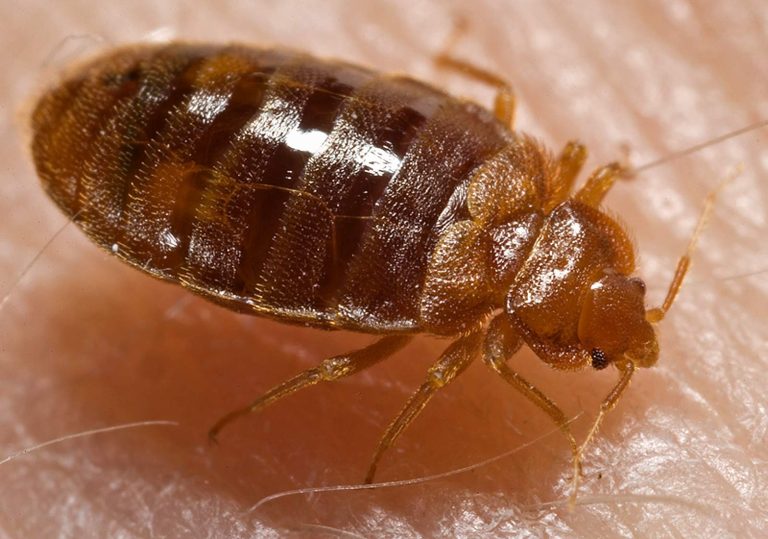
Can You Get Bed Bugs From Visiting Someone? (2026)
Can you get bed bugs from visiting someone? Yes, they can hitchhike home on your bag or clothes from an infested home, but the risk is low for a short visit and easy to reduce. Learn the simple precautions.

Disclosure: As an Amazon Associate we earn from qualifying purchases. Some links on this page are affiliate links: they cost you nothing extra and do not change what we write. Read our affiliate disclosure.
A natural social worry is whether you can get bed bugs from visiting someone. The honest answer is yes, it is possible — if a home you visit has bed bugs, a bug can hitchhike home with you on a bag, coat, or clothing — but the risk from a typical short visit is low and very manageable with simple habits. Bed bugs do not jump or fly onto you; they travel by crawling into items, so a brief visit where you keep your belongings off infested surfaces carries little risk, and a few easy precautions reduce it further.
This matters because fear of catching bed bugs from others can cause unnecessary anxiety or, worse, stigma and blame — when the reality is that bed bugs are nobody’s fault and the risk from visiting is modest and easily lowered. Understanding how the (small) risk actually works lets you visit friends and family sensibly, take a couple of simple precautions, and avoid both catching bugs and treating anyone unfairly.
In this guide you will learn whether and how you can get bed bugs from visiting someone, what affects the risk, simple precautions during and after a visit, what to do if you think you were exposed, and how to handle it all without blame. We will keep it calm and practical, and finish with a checklist. 💚
- Can You Get Them Visiting? Quick Answer
- How Bed Bugs Travel From a Visit
- How Big Is the Risk?
- What Raises or Lowers the Risk
- Simple Precautions During a Visit
- What to Do After Visiting
- If You Think You Were Exposed
- Staying Overnight
- No Blame, No Stigma
- Common Mistakes (and Fixes)
- Smart Habits
- FAQs
- Final Verdict + Checklist
Can You Get Them Visiting? Quick Answer
The quick answer is yes, it is possible to get bed bugs from visiting someone — if their home has bed bugs, a bug can hitchhike home with you on a bag, coat, or clothing — but the risk from a typical short visit is low and easily reduced. Bed bugs do not jump or fly; they crawl into items, so keeping your belongings off potentially infested surfaces and taking a couple of simple precautions makes catching them from a brief visit unlikely.
So you can visit friends and family without much worry, especially for short visits, by being sensible about where you put your bag and coat and doing a quick check afterward. The risk is real but modest and manageable. And remember — bed bugs are nobody’s fault, so this is about simple prevention, not blame. Our guide on how bed bugs spread covers hitchhiking.
Yes, you can pick up bed bugs from visiting an infested home — they hitchhike on bags and clothing — but the risk from a short visit is low and easily reduced with simple habits.
How Bed Bugs Travel From a Visit
Bed bugs travel from a visit by hitchhiking on your belongings. They do not jump, fly, or leap onto a person; instead, a bug may crawl into a bag, purse, coat, or other item you set down on an infested surface (like a couch or bed), and ride home with you. From there it can crawl out into your home. So the route is your items, not your body directly, and it requires the bug getting into something you take home.
This is why where you place your belongings matters so much: a bag left on the floor near a harborage or on an infested couch is the main way a bug hitches a ride, while a bag kept on a hard, clear surface (or not set down at all) gives bugs no easy way in. The longer the visit and the closer your items to harborages, the more opportunity, but for a short visit with sensible item placement, the chance is small.
So bed bugs travel from a visit by crawling into your bags, coat, or clothing set on infested surfaces — not by jumping on you. Controlling where your items go controls most of the risk. Our guide on whether bed bugs jump or fly covers how they actually move.
How Big Is the Risk?
For a typical short social visit, the risk of catching bed bugs is low. A bug has to be present, get into your belongings, survive the trip, and establish in your home — a chain that often does not complete from a brief visit, especially if you took basic precautions. The risk rises with longer stays, overnight visits, close contact with infested furniture or beds, and bringing items home that sat on harborages.
So while it is possible, you should keep the risk in proportion: a short visit is low-risk, and even then simple habits reduce it further. The higher-risk scenarios are overnight stays and prolonged sitting or sleeping on infested furniture. Most casual visits, handled sensibly, do not result in catching bed bugs. This perspective prevents both complacency and excessive worry.
So the risk is low for short visits and higher for overnight or prolonged close contact, but manageable in all cases with precautions. Keeping it in proportion lets you visit normally. Our guide on how you get bed bugs covers the relative likelihood of routes.
What Raises or Lowers the Risk
| Factor | Lower Risk | Higher Risk |
|---|---|---|
| Visit length | Short visit | Overnight / prolonged |
| Where you put your bag | Hard, clear surface or hook | On the couch, bed, or floor |
| Contact with furniture | Minimal | Sitting/sleeping on infested furniture |
| Items brought home | None from harborages | Bedding, clothing from infested areas |
| Post-visit check | Quick inspection done | No check |
Where you put your belongings and how long you stay are the biggest factors — both easy to manage.
Simple Precautions During a Visit
A few easy habits during a visit greatly reduce the already-low risk. Keep your bag, purse, and coat off the floor, couch, and bed — hang them on a hook, place them on a hard clear surface (like a table or counter), or keep them with you. Avoid setting belongings on upholstered furniture or beds where bugs may harbor. If you can, keep your items in one contained spot.
You do not need to be visibly anxious or rude about this — these are quiet, normal habits. If you happen to know a home has an active infestation, you can be extra cautious (minimal items, hard surfaces only), but for ordinary visits, simply keeping your bag and coat off soft furniture and the floor handles most of the risk. Bed bugs need access to your items to hitch a ride.
So during a visit, keep bags, purses, and coats off soft furniture, beds, and the floor, placing them on hard clear surfaces or hooks. This simple placement habit is the main precaution. Our guide on avoiding bringing bed bugs home covers item placement.
What to Do After Visiting
After a visit — especially a longer one or if you have any concern — a quick check and a couple of habits reduce risk further. Inspect your bag, coat, and belongings before bringing them inside or putting them away, looking for any bugs. For extra caution, you can run washable clothing through a hot dryer cycle (the heat kills any hitchhikers), and keep your bag in a non-bedroom area rather than tossing it on the bed.
For a short, low-risk visit, a quick glance is usually enough; for a higher-risk situation (overnight, or a known infestation), the dryer step and careful inspection are worthwhile. The key habit, as with travel, is not to bring your bag straight to the bedroom or set it on the bed, which is how a hitchhiker would reach your prime harborage.
So after visiting, inspect your belongings, optionally hot-dry washable clothing, and keep your bag out of the bedroom — scaling the effort to the risk. These quick steps catch any hitchhiker. Our guide on using the dryer covers heat-treating clothes.
If You Think You Were Exposed
If you think you were exposed — you learned the home had bed bugs, or you saw signs — take a few sensible steps without panic. Inspect and, if washable, hot-dry the clothing and any items you brought home, keep your bag isolated (sealed in a bag in a non-bedroom area) until checked, and monitor your home (interceptors under the bed, periodic inspection) for any signs over the following weeks. Early detection makes any issue far easier to handle.
Most exposures do not lead to an infestation, so the goal is reasonable caution and monitoring, not alarm. If you later find signs of bed bugs in your home, address them promptly with the usual methods (and a professional if needed). Catching a hitchhiker early — before it establishes and breeds — is the best outcome, which is why monitoring after a known exposure is worthwhile.
So if exposed, inspect and hot-dry brought-home items, isolate your bag, and monitor your home for a few weeks — calmly. Early detection is the goal. A set of interceptor traps (view options on Amazon) helps monitor after a possible exposure. Our guide on early signs of bed bugs covers what to watch for.
Staying Overnight
Overnight stays carry more risk than short visits, because you sleep there (close contact for hours) and bring more belongings (luggage, bedding). Treat an overnight stay somewhat like staying in a hotel: you can do a quick check of the sleeping area for signs, keep your luggage off the bed and floor (on a hard surface or luggage rack), and handle your bag carefully when you get home.
When you return from an overnight stay, the travel-style precautions apply: unpack away from your bedroom, run washable clothing through a hot dryer, and keep your luggage out of the bedroom (ideally treated or inspected). These are the same habits that prevent travel-related infestations, scaled to the situation. For staying with someone you know has an active infestation, extra caution (or alternative arrangements) is reasonable.
So treat overnight stays with travel-level care: check the sleeping area, keep luggage off the bed and floor, and handle your bag carefully on returning. The higher risk warrants the extra habits. Our guide on treating your suitcase after travel covers post-stay handling.
No Blame, No Stigma
It is important to handle all of this without blame or stigma. Bed bugs are not a sign of dirtiness or poor character — they are hitchhikers that can show up in any home, and anyone can have them or be exposed. So precautions when visiting are simply sensible prevention, not a judgment of your host, and if you ever have bed bugs, it is not your fault either. Keeping this attitude prevents unnecessary shame and damaged relationships.
Practically, this means taking your quiet precautions without making a host feel accused, and being understanding if a friend tells you they have bed bugs (which is responsible of them to disclose). The stigma around bed bugs causes real harm — people hide infestations out of embarrassment, which only helps the bugs spread. A no-blame attitude supports honesty and sensible prevention for everyone.
So approach visiting and bed bugs without blame or stigma — precautions are normal prevention, and infestations are nobody’s fault. This attitude protects both relationships and effective prevention. Our guide on whether bed bugs mean you are dirty covers the stigma.
Precautions by Visit Type
It helps to match your precautions to the kind of visit, since a quick coffee with a friend and a week-long stay carry very different risk. The table below summarizes a sensible level of care for each, so you neither under-prepare for an overnight stay nor overthink a short visit.
| Visit Type | Sensible Precautions |
|---|---|
| Short social visit | Bag off soft furniture; quick glance after |
| Long daytime visit | Bag on hard surface; inspect items after |
| Overnight stay | Check sleeping area; luggage off bed/floor; hot-dry clothes on return |
| Known active infestation | Minimal items; extra caution or alternative arrangements |
Scale your care to the visit — light for short visits, travel-level for overnight or known infestations.
Bringing Items Home From a Visit
Take extra care with any items you bring home from a visit, since these are a direct way bugs travel — borrowed items, gifts, leftovers in bags, or anything that sat on infested furniture. If you bring something home from a home you know (or suspect) has bed bugs, inspect it, and treat washable items with a hot dryer cycle before integrating them into your home. Hard items can be wiped and inspected.
Be especially cautious with soft, crevice-rich items (bedding, clothing, soft furnishings, bags) from an infested home, as these are the easiest for bugs to hide in. When in doubt, isolate the item in a sealed bag until you can treat or inspect it. The same logic applies to anything you carry between homes — treat it like luggage from a trip.
So inspect and heat-treat items you bring home from a visit, especially soft items from a known or suspected infestation, and isolate when in doubt. Sealable bags make this easy; a set of large resealable bags (see options on Amazon) contains questionable items until treated. Our guide on stopping bed bugs from spreading covers handling items between homes.
Common Mistakes (and Fixes)
- Mistake: Putting your bag on the couch or bed. Fix: keep bags and coats on hard, clear surfaces or hooks.
- Mistake: Panicking over any visit. Fix: short visits are low-risk — simple habits suffice.
- Mistake: Tossing your bag on the bed when you get home. Fix: keep it out of the bedroom; inspect or hot-dry items.
- Mistake: Treating overnight like a quick visit. Fix: use travel-level precautions for overnight stays.
- Mistake: Blaming or shaming a host. Fix: bed bugs are nobody’s fault — precautions are quiet and normal.
Smart Habits
- Mind your bag. Off the couch, bed, and floor.
- Scale effort to risk. Short visit: a glance. Overnight: travel-level care.
- Keep bags out of the bedroom. Don’t deliver hitchhikers to the bed.
- No blame. Precautions are normal; infestations are nobody’s fault.
You can pick up bed bugs from a visit, but they hitchhike on your bag — not by jumping on you. Keep your belongings off soft furniture, scale care to the visit, and skip the blame.
Real-Life Scenarios
The hook habit. Visiting a friend, Mia hung her coat and bag on a hook instead of the couch — a quiet habit that gave any bugs no way into her belongings.
The overnight return. After staying over, Tom unpacked in his garage and ran his clothes through a hot dryer — travel-level care for a higher-risk stay.
The honest friend. A friend told Dana they had bed bugs before she visited; instead of judging, Dana took simple precautions and appreciated the honesty — no blame, just sensible prevention.
Frequently Asked Questions
Can you get bed bugs from visiting someone?
Yes, it is possible — if the home has bed bugs, a bug can hitchhike home on your bag, coat, or clothing — but the risk from a typical short visit is low and easily reduced. Bed bugs do not jump or fly onto you; they crawl into items set on infested surfaces, so keeping your belongings off soft furniture and the floor handles most of the risk.
Can bed bugs jump onto you during a visit?
No — bed bugs cannot jump or fly. They travel by crawling into bags, coats, or clothing left on infested surfaces like couches or beds, then ride home with you. This is why where you place your belongings matters so much: keeping them on hard, clear surfaces or hooks, rather than soft furniture or the floor, prevents most hitchhiking.
How likely am I to get bed bugs from a short visit?
Low — a bug has to be present, get into your belongings, survive the trip, and establish in your home, a chain that often does not complete from a brief visit, especially with basic precautions. The risk rises for overnight stays and prolonged close contact with infested furniture, but most casual visits handled sensibly do not result in catching bed bugs.
What should I do after visiting a home with bed bugs?
Inspect your bag, coat, and belongings, optionally run washable clothing through a hot dryer (the heat kills hitchhikers), keep your bag out of the bedroom, and monitor your home (interceptors under the bed, periodic inspection) for signs over the next few weeks. Scale the effort to the risk — a glance for a short visit, more care for an overnight or known infestation.
Is it safe to stay overnight at a home with bed bugs?
It carries more risk than a short visit, since you sleep there and bring more belongings. If you stay, treat it like a hotel: check the sleeping area, keep luggage off the bed and floor, and use travel-level precautions when you return (unpack away from the bedroom, hot-dry clothing, keep luggage out of the bedroom). For a known active infestation, extra caution or alternative arrangements is reasonable.
Should I avoid visiting friends who have bed bugs?
Not necessarily — you can usually visit with simple precautions (keep belongings off soft furniture, scale care to the visit), and avoiding or shaming friends over a treatable, nobody’s-fault problem causes unnecessary harm. For overnight stays during an active infestation, you might choose alternative arrangements, but a short visit with sensible habits is generally fine. Appreciate honesty rather than judging it.
Final Verdict + Checklist
Can you get bed bugs from visiting someone? Yes, it is possible — a bug can hitchhike home on your bag, coat, or clothing from an infested home — but the risk from a typical short visit is low and easily reduced. Bed bugs do not jump or fly; they crawl into items set on infested surfaces, so keeping your belongings off soft furniture, beds, and the floor handles most of the risk. Scale your care to the visit: a quick check for a short visit, travel-level precautions (inspect, hot-dry clothing, keep luggage out of the bedroom, monitor) for overnight stays or known exposures. And handle it all without blame — bed bugs are nobody’s fault, precautions are quiet and normal, and honesty deserves appreciation, not judgment. Sensible habits let you visit freely while keeping hitchhikers out.
- Keep bags, purses, and coats off soft furniture, beds, and the floor
- Use hard, clear surfaces or hooks instead
- Remember short visits are low-risk
- Inspect your belongings after visiting
- Hot-dry washable clothing after higher-risk visits
- Keep your bag out of the bedroom when you get home
- Use travel-level care for overnight stays
- Take no-blame precautions; appreciate honesty
This guide is educational and prevention-focused. It does not provide medical advice. It is also not about blaming anyone — bed bugs are nobody’s fault. For established infestations, consider a licensed professional. Some links may earn us a small commission at no extra cost to you.
Further reading from public agencies
These are United States agencies. If you are elsewhere, check your national or local public-health or pest-control authority. This article is general information, not medical advice or a diagnosis.