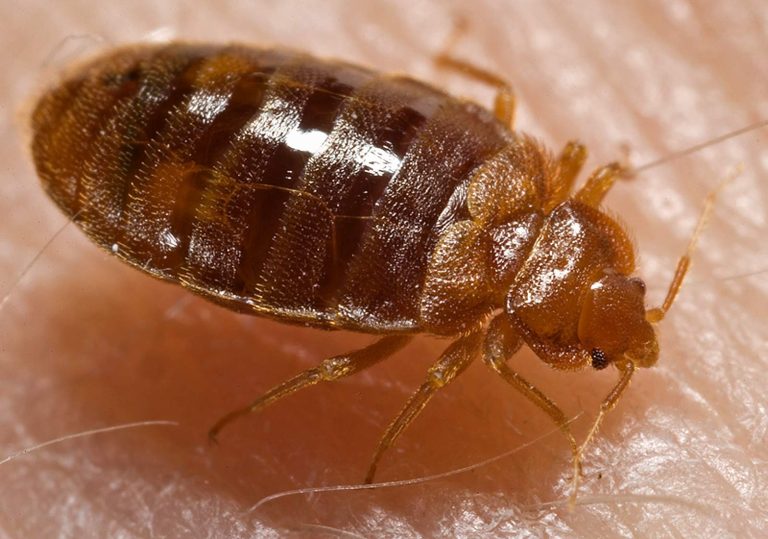
Do Bed Bugs Live Behind Picture Frames? (2026)
Do bed bugs live behind picture frames? Yes — the gap behind wall-hung frames and art is a sheltered hiding spot, especially near beds. Learn how to inspect, take down, and treat picture frames and wall art.

Disclosure: As an Amazon Associate we earn from qualifying purchases. Some links on this page are affiliate links: they cost you nothing extra and do not change what we write. Read our affiliate disclosure.
Among the spots bed bugs spread to, wall decor is easy to forget, so people ask: do bed bugs live behind picture frames? The short answer is yes — the gap behind a wall-hung picture frame or piece of art is a dark, sheltered crevice against the wall, which is exactly the kind of hiding spot bed bugs use, especially when the frame is on the wall near a bed. They tuck behind the frame, into its back corners and the frame-to-wall gap. So picture frames and wall art are a real (if secondary) harborage worth checking in an infestation.
This matters because picture frames are an overlooked harborage — people inspect the bed and furniture but forget the art on the walls, especially above or near the bed where bugs readily spread. The frame creates a sheltered gap against the wall and has crevices in its back and corners, giving bugs a hiding spot off the floor. Knowing to check and treat wall-hung frames completes a thorough inspection and prevents a missed harborage.
In this guide you will learn whether bed bugs live behind picture frames, where exactly on and behind them, why frames near the bed matter most, how to take them down and inspect, how to treat them, and how this fits into treating a room. We will use clear tables and finish with a checklist. 💚
- Do They Live Behind Frames? Quick Answer
- Where They Hide On and Behind a Frame
- Picture Frame Hiding Spots
- Frames Near the Bed Matter Most
- Take Them Down and Inspect
- How to Treat Picture Frames
- Treatment by Frame Type
- Check the Wall Behind Them
- Rehanging and Monitoring
- Part of Treating the Room
- Common Mistakes (and Fixes)
- Expert Pro Tips
- FAQs
- Final Verdict + Checklist
Do They Live Behind Frames? Quick Answer
The quick answer is yes — the gap behind a wall-hung picture frame or piece of art is a dark, sheltered crevice against the wall, which is exactly the kind of hiding spot bed bugs use, especially when the frame is near a bed. They tuck behind the frame, into its back corners, the frame’s joints, and the frame-to-wall gap. So picture frames and wall art are a real, if secondary, harborage worth checking and treating in an infestation.
So take down and inspect wall-hung frames near the bed, and treat them and the wall behind. Picture frames are an easy-to-overlook spot that completes a thorough inspection. Our guide on bed bugs behind wall items covers similar overlooked spots.
Yes — the dark gap behind wall-hung picture frames and art is a sheltered hiding spot, especially near beds. Take frames down, inspect the back and the frame-to-wall gap, and treat them.
Where They Hide On and Behind a Frame
Bed bugs hide on and behind a picture frame in several spots: the gap between the frame and the wall (the main sheltered crevice), the back of the frame (the backing, corners, and any cardboard or paper backing), the joints and corners of the frame itself, the hanging hardware area, and any crevices in a textured or ornate frame. The dark, undisturbed space behind a hung frame is the prime spot, with the frame’s back corners and joints as additional crevices.
Frames with a recessed back, cardboard backing, or ornate molding offer more crevices than a flat, simple frame. Eggs can be glued into the back corners and the frame-to-wall gap. So the bugs use the behind-the-frame gap and the frame’s own back crevices — spots you only see by taking the frame down. A frame flush against the wall above a bed is a classic example of this overlooked harborage.
So bugs hide in the frame-to-wall gap, the back and corners of the frame, the joints, and the backing — the dark space behind the frame being the prime spot. Our guide on where bed bugs hide covers crevices.
Picture Frame Hiding Spots
| Spot | Why Bugs Like It |
|---|---|
| Gap behind the frame (frame-to-wall) | Dark, sheltered, undisturbed — prime spot |
| Back of the frame and backing | Crevices, cardboard/paper backing |
| Frame corners and joints | Tight crevices |
| Hanging hardware area | Small gaps |
| Ornate/textured molding | Extra crevices |
The gap behind the frame is the prime spot — you only see it by taking the frame down.
Frames Near the Bed Matter Most
Picture frames near the bed matter most, because bed bugs spread outward from the bed and readily move to nearby wall-mounted spots. A frame or piece of art hung above or beside the bed, on the headboard wall, or close to the sleeping area is well-positioned to become a harborage as the infestation spreads — it is a sheltered crevice close to the host. Frames far from any infested area are much less likely to be involved.
So when inspecting, prioritize the frames near the bed and sleeping area, then those in the rest of an affected room. The closer a frame is to where bugs are and where people sleep, the more likely it harbors them. This focus — frames near the bed first — makes your inspection efficient while ensuring you check the highest-probability wall decor. Frames above the headboard are especially worth checking.
So prioritize frames near the bed and sleeping area, where bugs spread to — frames above the headboard or beside the bed are the most likely to harbor them. Our guide on how bed bugs spread outward covers the spread.
Take Them Down and Inspect
To inspect picture frames properly, take them down off the wall — you cannot see the prime hiding spot (the gap and the back) while they hang. With the frame down and a bright flashlight, examine the back of the frame, the corners and joints, the backing (cardboard or paper), and the hanging hardware for live bugs, pale eggs, shed skins, and dark fecal spots. Also look at the wall where the frame hung (covered below).
Handle the frame carefully so you do not knock bugs onto the bed or floor, and do this away from the bed if possible. A magnifier helps for the tiny eggs. Dark fecal spotting on the back of the frame or the backing is a telltale sign. Take down and inspect the frames near the bed first, then others in the affected room. Note where you find signs to focus treatment.
So take frames down and inspect the back, corners, joints, and backing with a flashlight — the only way to see the hidden harborage. A detection flashlight (view options on Amazon) reveals the crevices. Our guide on finding bed bugs covers inspection.
How to Treat Picture Frames
Treat picture frames with steam and careful cleaning, with the frame taken down. Steam the back of the frame, the corners and joints, and the backing area to kill bugs and eggs in the crevices, being mindful of moisture (especially for any photo, artwork, or paper that water could damage — steam carefully and avoid wetting the image, or treat sensitive art differently). Vacuum the back and crevices with a crevice tool, and dispose of the contents sealed.
For frames with valuable or moisture-sensitive contents (original art, photos), avoid steam on the image and instead carefully inspect, vacuum, and wipe, or consult a professional for delicate items. For ordinary frames, steam and vacuum handle the crevices. A heavily infested, low-value frame or its cardboard backing could simply be replaced. After treating, the frame can be rehung once the wall and room are addressed.
So treat frames with steam (minding moisture on art/photos) and vacuuming of the back and crevices, taken down, and replace low-value heavily infested backing if needed. A steamer (see options on Amazon) treats the frame crevices. Our guide on using steam for bed bugs covers technique.
Treatment by Frame Type
| Frame Type | Treatment |
|---|---|
| Ordinary frame | Steam back and crevices; vacuum |
| Frame with photo/art | Inspect, vacuum, wipe; avoid wetting the image |
| Cardboard-backed frame | Treat or replace the backing |
| Ornate/molded frame | Steam the molding crevices thoroughly |
| Valuable/delicate art | Careful inspection; consult a professional |
Steam and vacuum ordinary frames; protect art and photos from moisture and treat them gently or professionally.
Check the Wall Behind Them
When a frame is down, also check and treat the wall where it hung, since the frame-to-wall gap means bugs may be on the wall itself or in any cracks behind the frame. Inspect the wall area (and any nail holes, cracks, or wallpaper edges) with the flashlight for bugs, eggs, and fecal spots, and steam or treat the wall area as appropriate (a smooth wall can be wiped/steamed; cracks can be steamed and later sealed).
The hanging hardware (nail, hook) and the small wall holes can also be checked. Treating both the frame and the wall behind it ensures you address the whole harborage, not just the frame. Dark fecal spotting on the wall behind a frame confirms it was a harborage. So when you take a frame down, treat the frame and the wall spot together for complete coverage.
So check and treat the wall where the frame hung — the gap means bugs may be on the wall or in cracks behind it — for complete coverage. Our guide on bed bugs in walls covers wall treatment.
Rehanging and Monitoring
After treating the frame and the wall, you can rehang the frame — ideally once the room infestation is being addressed, so it does not immediately get reinfested. To reduce future harborage, you can hang frames slightly away from the wall is not practical, but keeping wall decor minimal near the bed and inspecting frames periodically helps. Sealing any wall cracks behind frames after treating removes that harborage.
Monitoring the room with interceptors and periodically re-inspecting the frames (especially near the bed) catches any recurrence. Reducing the number of frames and clutter on the walls near the bed lowers the available harborage. So rehang treated frames once the room is handled, keep wall decor near the bed minimal and inspectable, and monitor. This keeps the frames from becoming a harborage again.
So rehang treated frames once the room is being addressed, keep wall decor near the bed minimal, seal cracks behind frames, and monitor with interceptors. A set of interceptor traps (view options on Amazon) monitors the room. Our guide on preventing bed bugs covers monitoring.
Part of Treating the Room
Treating picture frames is one part of treating the room, not a standalone fix. Bed bugs concentrate at the bed and spread outward, so frames (especially near the bed) are checked and treated alongside the mattress, frame, furniture, baseboards, and other crevices. Frames are a secondary harborage in the wider spread, so include them in a thorough inspection but keep the main focus on the bed and its surroundings.
So integrate the picture frames into a comprehensive room treatment: treat the bed and furniture, the baseboards and crevices, and the wall-hung frames (and the walls behind them) together, and monitor with interceptors. Frames are an easy-to-miss spot that completes the thoroughness. For a significant infestation, a professional treating the whole room will check the frames and wall decor too.
So treat picture frames as part of a whole-room approach centered on the bed, checking them as an easy-to-miss spot, with monitoring — not in isolation. Our guide on getting rid of bed bugs covers the whole-room approach.
Other Wall-Hung Items to Check
The same logic applies to other wall-hung items near the bed, which also create sheltered gaps against the wall. Wall mirrors, clocks, posters, tapestries and wall hangings, mounted shelves, decorative plates, and headboard-mounted decor all leave a frame-to-wall gap or have back crevices that bed bugs can use, just like picture frames. So a thorough inspection checks all the wall decor near the bed, not only framed pictures.
Soft wall hangings (tapestries, fabric art) are especially worth checking, since the fabric adds folds and crevices like other soft items — treat them with heat (launder or steam) as appropriate. Hard items (mirrors, clocks) are checked behind and in their back crevices like frames, and steamed and wiped. So extend the take-down-and-inspect approach to all wall-hung items near the bed for complete coverage.
So check all wall-hung items near the bed — mirrors, clocks, posters, tapestries, shelves — not just picture frames, treating soft hangings with heat and hard items like frames. Our guide on bed bugs in fabric wall items covers soft hangings.
Common Mistakes (and Fixes)
- Mistake: Forgetting wall decor in an inspection. Fix: frames near the bed are a real harborage — check them.
- Mistake: Inspecting frames while they hang. Fix: take them down to see the back and the frame-to-wall gap.
- Mistake: Steaming valuable art or photos. Fix: avoid wetting images; inspect, vacuum, wipe, or consult a professional.
- Mistake: Treating the frame but not the wall. Fix: check and treat the wall spot where the frame hung.
- Mistake: Rehanging before the room is treated. Fix: address the room first so frames don’t get reinfested.
Expert Pro Tips
- Take frames down. The gap behind them is the hiding spot.
- Prioritize frames near the bed. Especially above the headboard.
- Treat the frame and the wall. Both sides of the gap.
- Protect art and photos. Avoid wetting images; treat gently.
The dark gap behind a wall-hung picture frame is a classic bed bug hiding spot, especially near the bed. Take frames down to inspect the back and the frame-to-wall gap, and treat both.
Real-Life Scenarios
The frame above the bed. Mara took down the art hanging above her headboard and found fecal spots and bugs behind it — a harborage she would have missed while it hung.
The wall behind. Tom treated the frame but found bugs on the wall where it had hung too — treating both the frame and the wall spot finished the job.
The valuable photo. Dana avoided steaming a cherished photo’s image, instead carefully inspecting, vacuuming, and wiping the frame — protecting the art while treating the crevices.
Frequently Asked Questions
Do bed bugs live behind picture frames?
Yes — the gap behind a wall-hung picture frame or piece of art is a dark, sheltered crevice against the wall, which bed bugs use as a hiding spot, especially when the frame is near a bed. They tuck behind the frame, into its back corners and joints, and the frame-to-wall gap. So picture frames and wall art are a real (if secondary) harborage worth taking down, inspecting, and treating in an infestation.
Where do bed bugs hide on a picture frame?
In the gap between the frame and the wall (the main sheltered crevice), the back of the frame (backing, corners), the joints and corners of the frame itself, the hanging hardware area, and any crevices in textured or ornate molding. Frames with a recessed back, cardboard backing, or ornate molding offer more crevices. The dark space behind a hung frame is the prime spot, which you only see by taking the frame down.
How do I check a picture frame for bed bugs?
Take the frame down off the wall (you cannot see the hiding spot while it hangs), and with a bright flashlight examine the back, the corners and joints, the backing, and the hanging hardware for live bugs, pale eggs, shed skins, and dark fecal spots. Also check the wall where it hung. Handle the frame carefully so you do not knock bugs onto the bed or floor, and check frames near the bed first.
How do I treat picture frames for bed bugs?
With the frame taken down, steam the back, corners, joints, and backing to kill bugs and eggs (being careful of moisture on any photo or artwork), and vacuum the back and crevices with a crevice tool, disposing of the contents sealed. For valuable or moisture-sensitive art and photos, avoid wetting the image — inspect, vacuum, and wipe, or consult a professional. Treat the wall behind the frame too, and rehang once the room is addressed.
Which picture frames are most likely to have bed bugs?
Those near the bed and sleeping area — frames hung above or beside the bed, on the headboard wall, or close to where people sleep — because bed bugs spread outward from the bed to nearby wall-mounted crevices. Frames far from any infested area are much less likely to be involved. So prioritize inspecting the frames near the bed, especially above the headboard, then others in the affected room.
Should I treat the wall behind a picture frame too?
Yes — when a frame is down, check and treat the wall where it hung, since the frame-to-wall gap means bugs may be on the wall itself or in cracks behind the frame. Inspect the wall area (including nail holes, cracks, and wallpaper edges) and steam or wipe it as appropriate, sealing any cracks after treating. Treating both the frame and the wall ensures you address the whole harborage, not just the frame.
Final Verdict + Checklist
Do bed bugs live behind picture frames? Yes — the dark gap behind a wall-hung frame or piece of art is a sheltered crevice against the wall that bed bugs use as a secondary harborage, especially when the frame is near a bed. They hide in the frame-to-wall gap, the back and corners of the frame, the joints, and the backing. To address them, take frames down (you only see the hiding spot then), inspect the back and the frame-to-wall gap with a flashlight, and treat the frame with steam and vacuuming (protecting any photo or artwork from moisture) plus the wall behind it. Prioritize frames near the bed, especially above the headboard, rehang treated frames once the room is being addressed, seal wall cracks, and monitor with interceptors. Treat picture frames as an easy-to-miss part of a whole-room approach centered on the bed.
- Know the gap behind frames is a hiding spot, especially near the bed
- Prioritize frames above and beside the bed
- Take frames down to inspect the back and frame-to-wall gap
- Inspect with a flashlight for bugs, eggs, and fecal spots
- Steam and vacuum ordinary frames; protect art/photos from moisture
- Check and treat the wall where the frame hung
- Rehang once the room is being treated; seal wall cracks
- Treat frames as part of the whole room; monitor with interceptors
This guide is educational and prevention-focused. It does not provide medical advice. For established infestations, consider a licensed professional. Some links may earn us a small commission at no extra cost to you.
Further reading from public agencies
These are United States agencies. If you are elsewhere, check your national or local public-health or pest-control authority. This article is general information, not medical advice or a diagnosis.